
The nine types of demons in one influential historical classification are False Gods, Lying Spirits, Vessels of Iniquity, Revengers of Wickedness, Deluders, Aerial Powers, Furies, Accusers, and Tempters and Ensnarers. These are categories of supposed activity, not nine individual creatures or a list accepted by every religious tradition.
For centuries, religious scholars, occult philosophers, and demonologists have attempted to identify and categorize supernatural beings believed to influence the human world.
While many people recognize names such as Satan, Beelzebub, Asmodeus, and Belial, fewer are familiar with the elaborate systems used to classify demons according to their supposed behavior, abilities, and place within a supernatural hierarchy.
One influential historical system describes nine types of demons, each associated with a particular kind of temptation, deception, destruction, or spiritual corruption.
This classification appears in Heinrich Cornelius Agrippa’s Three Books of Occult Philosophy and was later reproduced in Francis Barrett’s The Magus.
These writings are important historical sources for the study of Western demonology. They reflect religious and occult beliefs, rather than scientifically verified categories of supernatural beings.
In this guide, we examine the nine types of demons, the figures associated with them, and how these historical beliefs continue to influence modern paranormal folklore.

The 9 Types of Demons Explained
The following table summarizes the nine traditional demon classifications described by Agrippa.
| Type of Demon | Associated Figure | Traditional Association |
|---|---|---|
| False Gods | Beelzebub | False worship and spiritual deception |
| Lying Spirits | Pytho | False prophecy and divination |
| Vessels of Iniquity | Belial | Wickedness, corruption, and disobedience |
| Revengers of Wickedness | Asmodeus | Revenge and destructive judgment |
| Deluders | Satan | Illusions, false miracles, and deception |
| Aerial Powers | Meririm | Storms, calamities, and disturbances of the air |
| Furies | Abaddon / Apollyon | Destruction, warfare, and discord |
| Accusers | Astaroth | Accusation, slander, and condemnation |
| Tempters and Ensnarers | Mammon | Greed, temptation, and material desire |
Important: This is one historical classification, not a universal demon hierarchy accepted by all religious or occult traditions.
Where Did the Nine Types of Demons Originate?
The idea of dividing demons into nine categories developed in connection with an older Christian tradition describing nine orders of angels.
Christian angelology, particularly the celestial hierarchy associated with Pseudo-Dionysius, organizes angels into nine orders.
Later writers developed comparable systems for evil spirits.
In Book III, Chapter XVIII of Three Books of Occult Philosophy, Heinrich Cornelius Agrippa describes a tradition in which evil spirits are distributed into nine degrees corresponding negatively to the nine angelic orders.
Agrippa did not present the hierarchy as his own discovery. He attributed it to certain theologians, demonstrating that these classifications were part of a developing body of religious and occult thought.
Francis Barrett later reproduced the system in The Magus, published in 1801.
The result was a hierarchy in which different kinds of demons were thought to perform different roles.
Rather than treating every evil spirit as identical, the classification attempted to explain why supernatural entities might supposedly behave in different ways.
Historical reference: Agrippa, Three Books of Occult Philosophy, Book III, Chapter XVIII
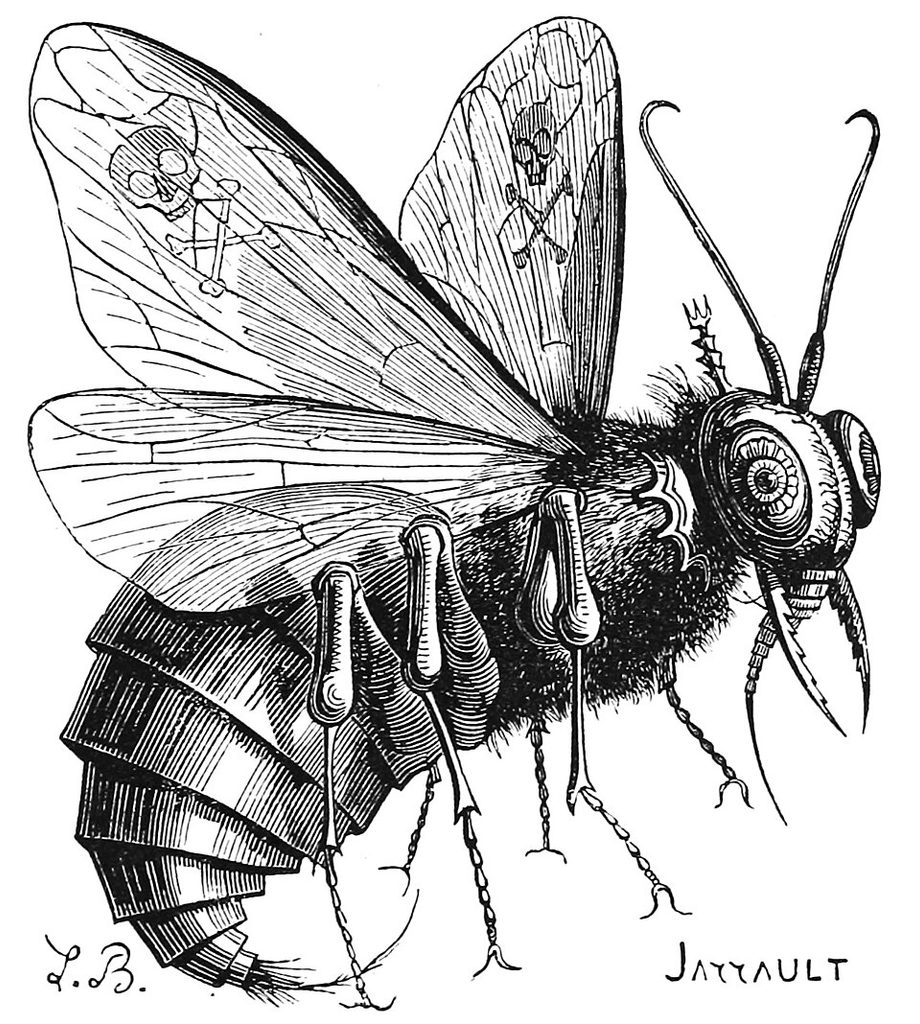
1. False Gods — Beelzebub
The first type of demon is known as the False Gods, with Beelzebub identified as their prince.
According to Agrippa, these spirits were believed to seek worship and imitate divine authority.
Their defining characteristic was not necessarily physical violence. Instead, they were associated with attempting to replace legitimate religious worship with devotion to false gods.
Who Is Beelzebub?
Beelzebub is among the most recognizable names in Christian demonology.
Related forms of the name appear in biblical traditions, including the name Baal-zebub in 2 Kings. In the New Testament, Beelzebul is associated with the ruler of demons.
Over centuries, Christian writers developed increasingly elaborate descriptions of Beelzebub, sometimes identifying him closely with Satan and sometimes portraying him as a separate figure within the infernal hierarchy.
He is popularly associated with the title Lord of the Flies, although the etymology and historical development of the name remain subjects of interpretation.
Within Agrippa’s hierarchy, Beelzebub represents the danger of spiritual deception through false worship.

2. Lying Spirits — Pytho
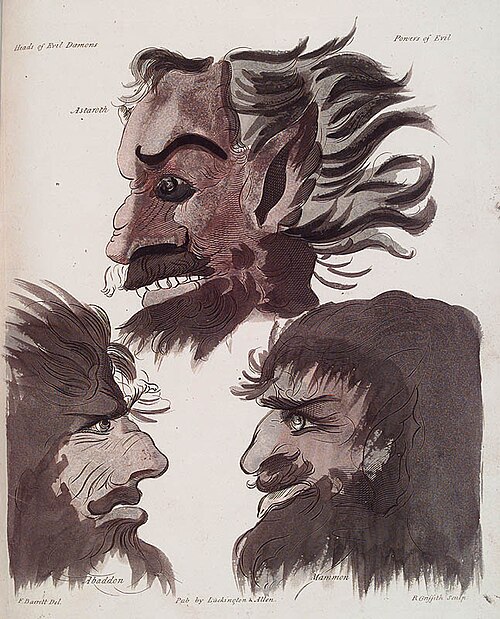
The second category is the Lying Spirits, whose prince is named Pytho, also called Python.
These demons were believed to deceive people through predictions, oracles, and communications that appeared to originate from supernatural knowledge.
The name Pytho connects this category to ancient Greek traditions surrounding Delphi and the Python associated with Apollo.
The Connection to Divination
Acts 16:16–18 describes Paul encountering a young woman associated with a spirit of divination.
The Greek text uses terminology connected with Python, which later writers interpreted through their own demonological frameworks.
Agrippa connects this imagery with deceptive prophecy.
According to the belief system he records, a supernatural message could appear convincing while ultimately being misleading.
This is an interesting historical connection to modern stories involving spirit communication.
Some paranormal traditions describe entities that allegedly provide information, adopt misleading identities, or claim to be deceased individuals.
These accounts resemble older stories about deceptive spirits, but the similarity does not establish that such entities exist or that they caused any particular experience.
3. Vessels of Iniquity — Belial
The third type is known as the Vessels of Iniquity, sometimes called Vessels of Wrath.
Their associated prince is Belial.
This class was connected with wickedness, disobedience, moral corruption, and destructive behavior.
Who Is Belial?
The name Belial has a long history in Hebrew and Christian literature.
Originally associated with worthlessness or lawlessness, the word gradually developed into a personified figure representing evil.
By the time of certain Jewish writings and early Christian texts, Belial could function as the name of a supernatural adversary.
The name also appears in 2 Corinthians 6:15.
Later demonological works transformed Belial into a distinct infernal ruler with elaborate descriptions of his supposed appearance, abilities, and authority.
In Agrippa’s system, Belial is associated specifically with the spirits responsible for wickedness and corruption.
This illustrates how a demonological category can be built around a moral concept rather than a particular physical manifestation.
4. Revengers of Wickedness — Asmodeus
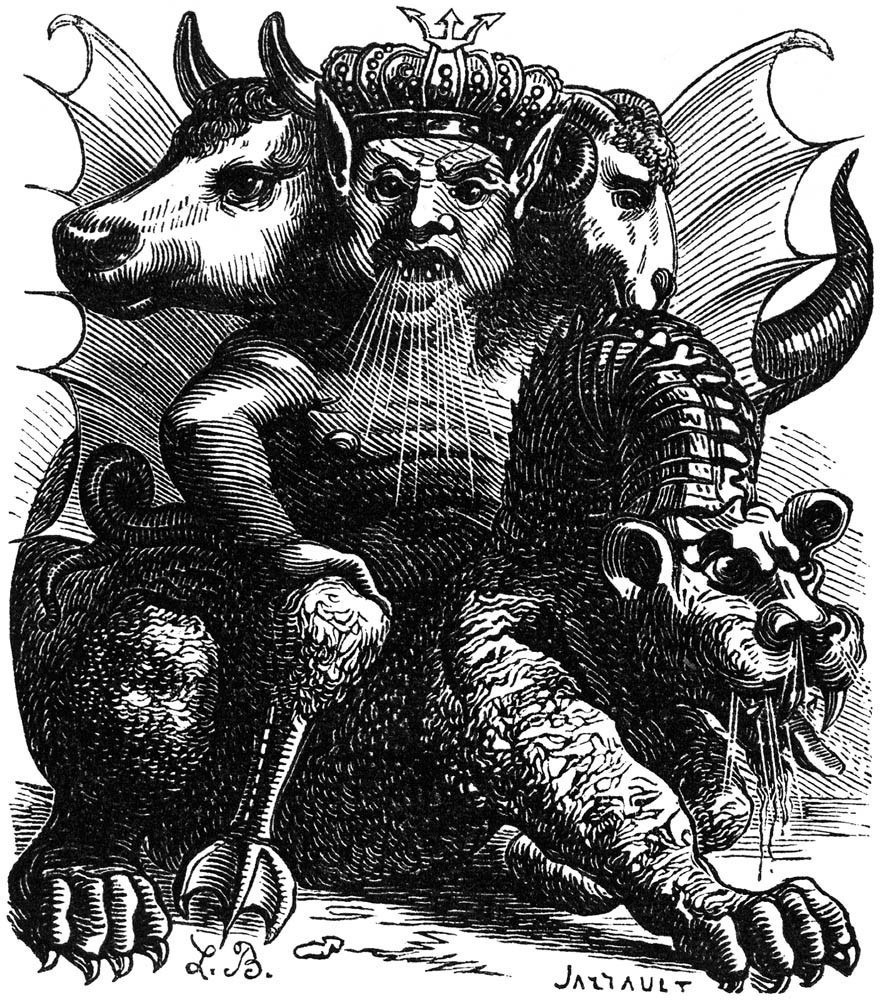
The fourth class is called the Revengers of Wickedness, ruled by Asmodeus.
These spirits were associated with revenge and destructive judgment.
The Origins of Asmodeus
Asmodeus appears prominently in the Book of Tobit.
In that account, Sarah’s seven previous husbands die before their marriages can be consummated. The demon Asmodeus is identified as responsible, before Tobias, with guidance from the angel Raphael, succeeds in driving him away.
The story became an important part of later demonological tradition.
Asmodeus also appears in Jewish folklore and in later writings connected with King Solomon.
Agrippa gives this fourth class only a brief description. The wider story of Asmodeus should therefore be read as background from other texts, rather than as detail supplied by the nine-order passage itself.

Why Is Asmodeus Associated With Different Powers?
In some later traditions, Asmodeus became strongly connected with lust.
In Agrippa’s nine-order hierarchy, however, his specific role concerns revenge.
These differing associations are not necessarily evidence of one original, consistent description.
Rather, they show how supernatural figures were reinterpreted by different writers over long periods.
5. Deluders — Satan
The fifth type consists of Deluders, also translated as Jugglers or deceivers.
These spirits were believed to produce illusions, counterfeit miracles, and other misleading supernatural appearances.
Their prince is Satan.
The Role of Deception in Demonology
In Agrippa’s description, the Deluders were associated with manifestations that appeared extraordinary but were intended to deceive observers.
They could supposedly imitate miraculous events or convince people that a false appearance represented something genuine.
This idea became particularly important in European writings about magic, witchcraft, and supernatural encounters.
Not every unusual manifestation was interpreted as a truthful communication from a spirit.
Historical demonologists frequently warned that appearances could be deceptive.
The theme also appears in modern paranormal folklore, particularly in accounts of entities allegedly disguising themselves or communicating under false identities.
Such claims are part of the tradition’s history, rather than established evidence of supernatural behavior.
6. Aerial Powers — Meririm
The sixth type of demon is known as the Aerial Powers.
These spirits were believed to inhabit or influence the atmosphere.
Agrippa identifies Meririm as their prince.
Demons Associated With Storms and the Air
In older demonological literature, the Aerial Powers were associated with thunder, lightning, storms, pestilence, and other calamities.
Before the development of modern meteorology and medicine, supernatural explanations were sometimes offered for destructive weather and disease.
The idea of airborne spirits also appears in other systems of demonology.
Agrippa also describes spirits associated with the air, waters, and earth later in this same chapter.
These descriptions concern supposed habitats rather than the nine functional classes. They illustrate why classifications from different passages should not be merged indiscriminately.
Today, storms and disease are understood through scientific disciplines, rather than requiring supernatural explanations.
Nevertheless, historical associations between the atmosphere and invisible entities remain influential in supernatural storytelling and occult folklore.
7. Furies — Abaddon or Apollyon
The seventh category is known as the Furies.
These demons were associated with warfare, destruction, violence, and discord.
Their ruler is Abaddon, also identified with the Greek name Apollyon.
Who Is Abaddon?
Abaddon and Apollyon are mentioned in Revelation 9:11.
The passage describes the angel of the abyss and gives the figure a Hebrew name, Abaddon, and a Greek name, Apollyon.
Both names are connected with destruction.
Later demonologists developed this imagery into more elaborate descriptions of an infernal being presiding over destructive spirits.
Within Agrippa’s system, Abaddon represents a category associated with war, devastation, and conflict.
These associations made the name especially influential in later supernatural literature and horror storytelling.
However, Revelation’s original context and the classifications developed by Renaissance demonologists should be distinguished from one another.
8. Accusers — Astaroth
The eighth type consists of the Accusers, sometimes described as Inquisitors, Sifters, or Calumniators.
Agrippa associates their leadership with Astarath, commonly rendered Astaroth in modern discussions.
These spirits were believed to seek out faults, make accusations, and create condemnation or despair.
The Meaning of Accusation
Accusation is a recurring concept throughout Christian demonology.
The Greek word diabolos can mean slanderer or accuser, and the idea of a supernatural adversary who accuses humans appears in several religious contexts.
Within Agrippa’s hierarchy, this concept becomes the defining characteristic of an entire class of evil spirits.
Astaroth in Later Demonology
Astaroth also appears in ceremonial magic and later grimoires, where the figure is assigned ranks, powers, and physical descriptions.
These later portraits should not automatically be treated as identical to the role Astaroth plays in the nine-order hierarchy.
Different sources developed different accounts of the same named figure.
That distinction is important when researching the historical origins of demon names.
9. Tempters and Ensnarers — Mammon
The ninth and final class is called the Tempters and Ensnarers.
Their prince is Mammon.
These spirits were associated with temptation, greed, desire, and attachment to material possessions.
What Is Mammon?
Mammon is a name associated with wealth or riches.
Matthew 6:24 contrasts serving God with serving Mammon.
Although the term originally referred to riches rather than necessarily describing an individual demon, later writers increasingly personified Mammon.
Within demonology, Mammon became associated with greed and material temptation.
Agrippa’s hierarchy uses Mammon as the ruler of spirits believed to ensnare human beings through worldly desires.
Unlike the Furies, who were connected with destruction, or the Aerial Powers, associated with calamities, the Tempters were believed to influence people through their ambitions and weaknesses.
This distinction helps explain why historical demonologists considered temptation an important part of their classifications.
Are Demons and Devils the Same Thing?
The words demon and devil are frequently used interchangeably in popular culture.
Historically, their meanings have varied.
In many Christian contexts, the Devil refers specifically to Satan, while demons are understood as a broader category of evil spirits.
Other traditions make different distinctions.
Some occult writings describe demons as fallen angels, while others include supernatural figures drawn from older religious systems, folklore, or classical mythology.
Consequently, there is no universally consistent definition covering every historical use of these words.
For researchers, the most useful approach is to identify which tradition or historical source is being discussed.

Are There Other Types of Demons?
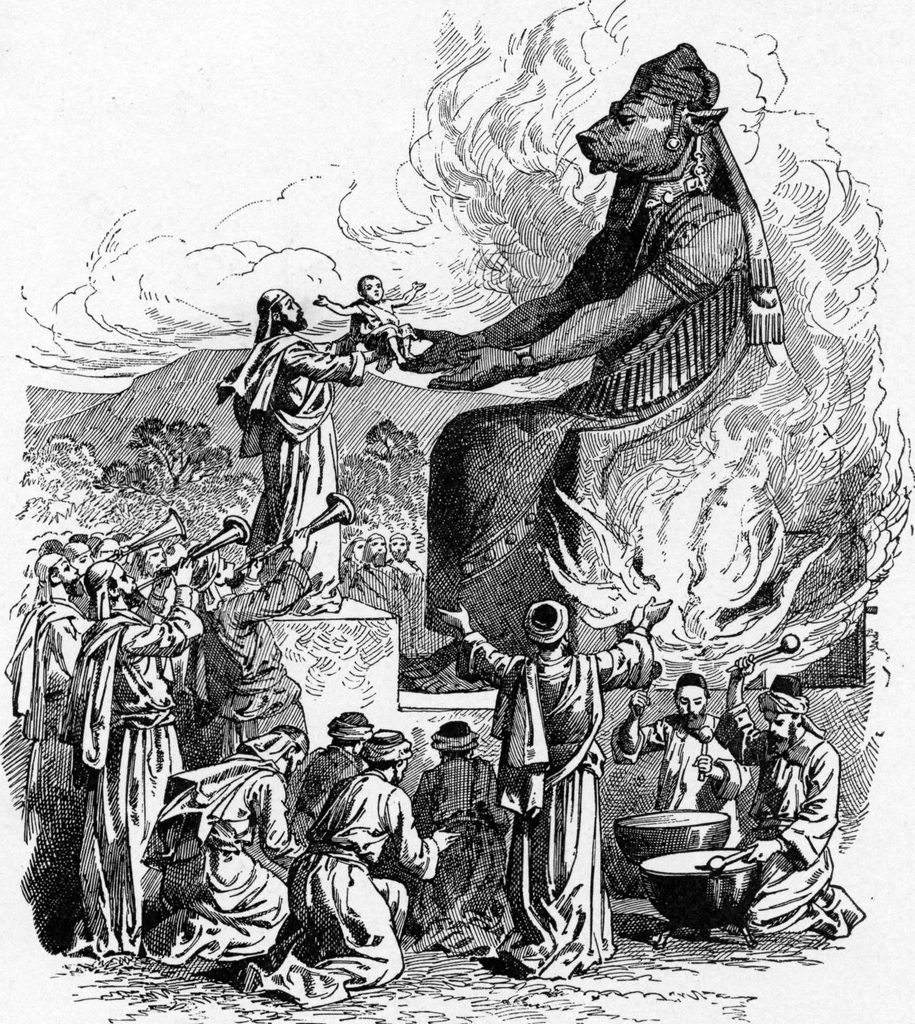
Yes. The nine orders represent only one approach to classifying evil spirits.
Other historical traditions used different systems.
Some classified supernatural entities according to where they supposedly lived, such as the air, water, earth, or underground regions.
Others organized demons into hierarchies of kings, dukes, princes, and other ranks.
The Ars Goetia, a section of The Lesser Key of Solomon, is particularly famous for describing 72 named spirits assigned various titles and attributes.
Still other systems associated demons with particular sins.
These traditions are related through the history of Western occult thought, but they should not be combined into a single supposedly authoritative classification.
The nine classes described in this article are not the same as the 72 spirits of the Ars Goetia or the demons associated with the seven deadly sins.
Each represents a different system of beliefs and writings.
What Historical Demonology Can Tell Us About Modern Paranormal Claims
The nine types of demons reveal something important about the history of paranormal beliefs: people have interpreted unexplained experiences through religious and cultural traditions for centuries.
In Agrippa’s classification, some spirits supposedly communicate through false prophecies, while others are associated with destructive events, deceptive appearances, or temptation.
These descriptions provide insight into how people once understood experiences that seemed to lack ordinary explanations.
Modern paranormal accounts sometimes contain similar themes.
Witnesses may report unexplained voices, frightening apparitions, unusual sounds, objects moving without an apparent cause, or messages received through Ouija boards and other forms of alleged spirit communication.
But an important question remains:
Do modern paranormal accounts resemble historical demonological descriptions because the same supernatural forces are involved, or because centuries of religious beliefs and folklore have influenced how people interpret unexplained experiences?
This question is particularly relevant to the history of paranormal investigation.
The LiveSciFi Perspective
LiveSciFi documents alleged paranormal activity through investigations and live-streamed ghost hunts, allowing viewers to examine recorded experiences and reported phenomena.
Claims involving demonic entities, Ouija boards, spirit communication, and haunted locations raise questions that extend beyond a single historical text.
An unusual event may resemble descriptions found in demonological literature, but that resemblance alone cannot establish a supernatural cause.
Historical demonology provides context, while recorded observations and careful investigation are necessary to evaluate specific claims.
This distinction is important when examining modern stories about named entities such as ZoZo or claims of demonic hauntings.
The names, appearances, and behaviors attributed to supernatural beings have changed considerably throughout history.
Understanding where those descriptions originated can help separate documented tradition from modern interpretation.
For readers following our investigations, a useful distinction is between what a recording captures and the identity assigned to it. A voice-like sound, an apparent answer, and a named entity are three separate claims. Calling an experience “Pytho-like” because it involves alleged communication does not identify its cause. Nor does a name heard during an investigation place that experience inside Agrippa’s system.
Our perspective is that historical sources are most valuable when they make the questions more precise: which text first connects a name with a role, what did witnesses actually report, and what ordinary explanations remain possible? Viewers can compare an investigation’s observations and interpretations for themselves. The historical record helps explain the language used around an experience; it cannot authenticate the experience.
For a related exploration of contemporary paranormal folklore, read ZoZo Ouija Demon Stories.
Frequently Asked Questions About Types of Demons
What are the nine types of demons?
In Agrippa’s historical hierarchy, the nine classes are False Gods, Lying Spirits, Vessels of Iniquity, Revengers of Wickedness, Deluders, Aerial Powers, Furies, Accusers, and Tempters and Ensnarers.
Each category is associated with a named figure and a particular form of spiritual wrongdoing or supernatural influence.
What is the most powerful type of demon?
There is no universally accepted ranking. Agrippa lists False Gods first and associates them with Beelzebub, but other religious and occult traditions have different hierarchies.
Is Beelzebub the same as Satan?
Some traditions closely identify Beelzebub with Satan, while other demonological systems distinguish between them.
Agrippa’s hierarchy places Beelzebub with the False Gods and Satan with the Deluders.
How many demons are named in the Bible?
There is no single universally agreed count. Biblical books mention several names associated with supernatural or adversarial beings, but many famous demon names originated in later religious traditions, folklore, or occult writings.
Are all demons considered fallen angels?
Not in every tradition. Some Christian interpretations associate demons with fallen angels, while other historical systems have different explanations for their origins.
What is the difference between demon types and demon names?
A demon type is a category describing a supposed function or characteristic. A demon name identifies a particular figure within a tradition.
For example, Tempters and Ensnarers is a category, while Mammon is the figure assigned to it in Agrippa’s hierarchy.
Are demons scientifically proven to exist?
There is no accepted scientific evidence establishing the existence of demons as supernatural beings.
Demonology can be studied historically, culturally, and religiously without assuming that its descriptions have been scientifically verified.
Understanding the History Behind Demon Names
The study of demonology reveals how supernatural beliefs have evolved over centuries.
A figure mentioned briefly in an ancient religious text may acquire an elaborate identity in later occult literature.
Different writers may attribute entirely different characteristics to the same named demon.
As a result, understanding the historical context is essential when studying demon classifications, reported hauntings, or stories involving alleged demonic encounters.
The nine types of demons described here remain influential because they represent one of the better-known attempts to organize evil spirits into a structured hierarchy.
Their significance lies not in establishing the existence of such beings, but in documenting how generations of people attempted to explain forces they believed were operating beyond the visible world.
Historical Sources and Further Reading
The following sources provide historical background for the classifications and figures discussed in this article.
- Heinrich Cornelius Agrippa — Three Books of Occult Philosophy, Book III, Chapter XVIII. The principal historical source for the nine orders of evil spirits described above. Read the chapter opening, then the first six orders and the final three orders in the 1651 English edition.
- Francis Barrett — The Magus (1801). A later occult work reproducing and developing ideas from earlier demonological classifications. Read The Magus.
- Francis Barrett — The Magus, Scale of the Number Nine. A historical table comparing nine angelic orders with nine infernal orders. Read the historical table.
- The Bible — Acts 16:16–18, Revelation 9:11, Matthew 6:24, and 2 Corinthians 6:15. Scriptural passages associated with divination, Abaddon, Mammon, and Belial. Compare the passages in their original contexts; they do not present Agrippa’s complete nine-class table. See also Matthew 6, especially verse 24 and its note on mammon, and Tobit 3 for Sarah and Asmodeus.
These references document historical religious and occult beliefs. They are presented for educational and historical context rather than as scientific evidence for supernatural entities.
LiveSciFi explores paranormal history, haunted locations, demonology, and unexplained experiences through original investigations, live-streamed ghost hunts, and documentary storytelling.