
View location on Google Maps. Pin marks the Franklin Avenue entrance area.
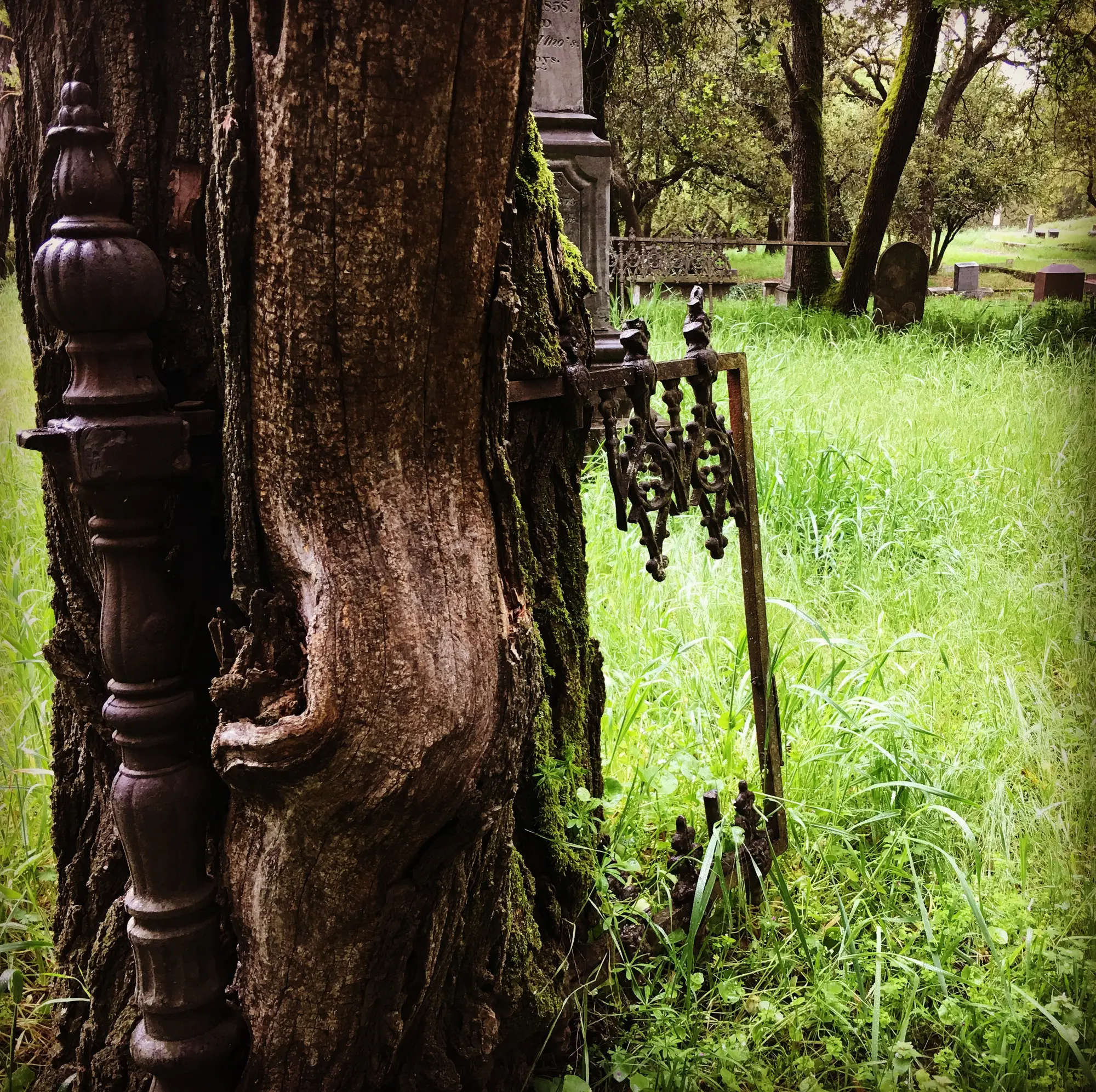
Behind a quiet residential neighborhood in northeast Santa Rosa sits a seventeen-acre hillside of oaks, leaning headstones and iron-fenced family plots. Santa Rosa Rural Cemetery holds more than 5,500 people: the city’s founders, Civil War officers, congressmen, earthquake victims and the anonymous poor. It also holds one of the darkest nights in Northern California history. In December 1920, three prisoners were dragged from the county jail and hanged from a tree just inside the cemetery gates while car headlights lit the scene.
A century later, the cemetery has a reputation as one of the most haunted places in Santa Rosa. Visitors talk about a tall, fog-like man near the McDonald Avenue gate. Our LiveSciFi team has seen shadow people moving between the headstones, heard voices when no one else was there, and recorded an EVP that appears to say “I am vampire.” This guide covers the history, the lynching, the notable graves and the evidence we gathered.
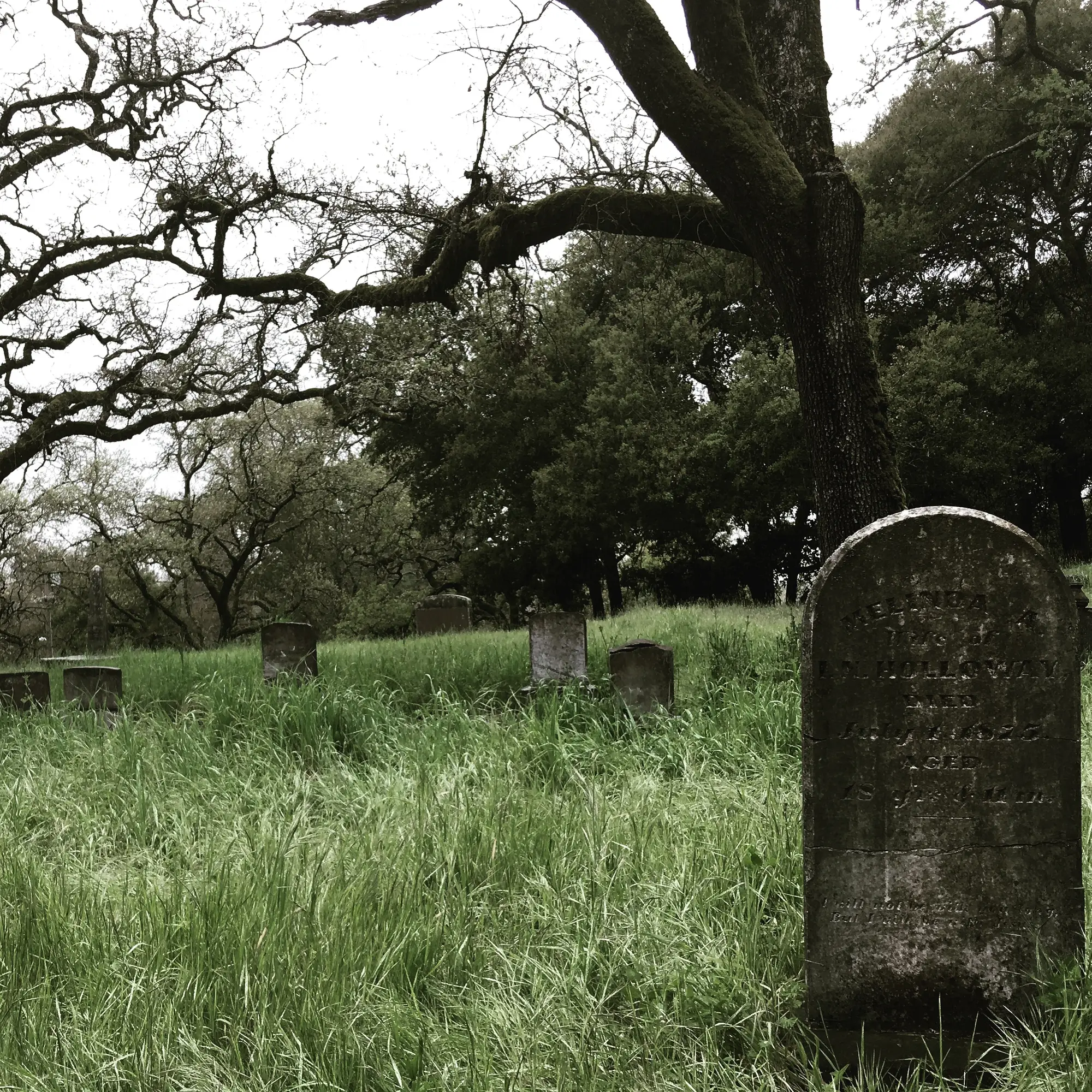
Santa Rosa Rural Cemetery at a Glance
| Location | 1600 Franklin Avenue, Santa Rosa, CA 95404, Sonoma County, California (second entrance on McDonald Avenue) |
|---|---|
| GPS Coordinates | 38.45556, -122.70472 |
| Established | November 1854 (first known burial); cemetery association formed 1867 |
| Size | About 17 acres; more than 5,500 burials |
| Site Type | Historic rural cemetery, owned by the City of Santa Rosa since 1979; city historic landmark since 1997 |
| Key Historic Event | Lynching of George Boyd, Terry Fitts and Charles Valento, December 10, 1920 |
| Reported Paranormal Activity | Shadow people, apparitions, disembodied voices, EVPs including “I am vampire” |
| Verification Status | History and the 1920 lynching are well documented. Any supernatural cause is unverified. |
History of Santa Rosa Rural Cemetery
A cemetery born from an accident
The Santa Rosa Rural Cemetery began with a death almost nobody remembers. In November 1854, Thomas W. Mize, a 31-year-old father who had just arrived from Iowa, drowned in a small pond near Santa Rosa Creek, south of today’s Courthouse Square. He was buried on a wooded hillside outside town. At the time the land belonged to French-Canadian farmer Olivier Beaulieu. It had once been part of Rancho Cabeza de Santa Rosa, the Mexican land grant held by Doña María Ignacia López de Carrillo.
Other early settlers chose the same hillside, and in 1867 the Santa Rosa Rural Cemetery Association was formally organized and set aside seventeen acres. The name reflects the nineteenth-century “rural cemetery” movement, which replaced crowded churchyards with park-like grounds outside town.
Decline, division and rescue
By the 1930s the cemetery was falling apart. Sections were divided and sold off, creating the separate Fulkerson, Moke and Stanley cemeteries next to the original grounds. Weeds took over, headstones toppled, and vandals broke monuments. In 1965 the old cemetery association reformed to rescue the grounds. In 1979 the cemeteries were merged and handed over to the City of Santa Rosa, which made the site a historic landmark in 1997. Today volunteers repair broken stones, research forgotten burials and lead history tours. The cemetery sits next to the larger Santa Rosa Memorial Park.
The 1920 Santa Rosa Lynching
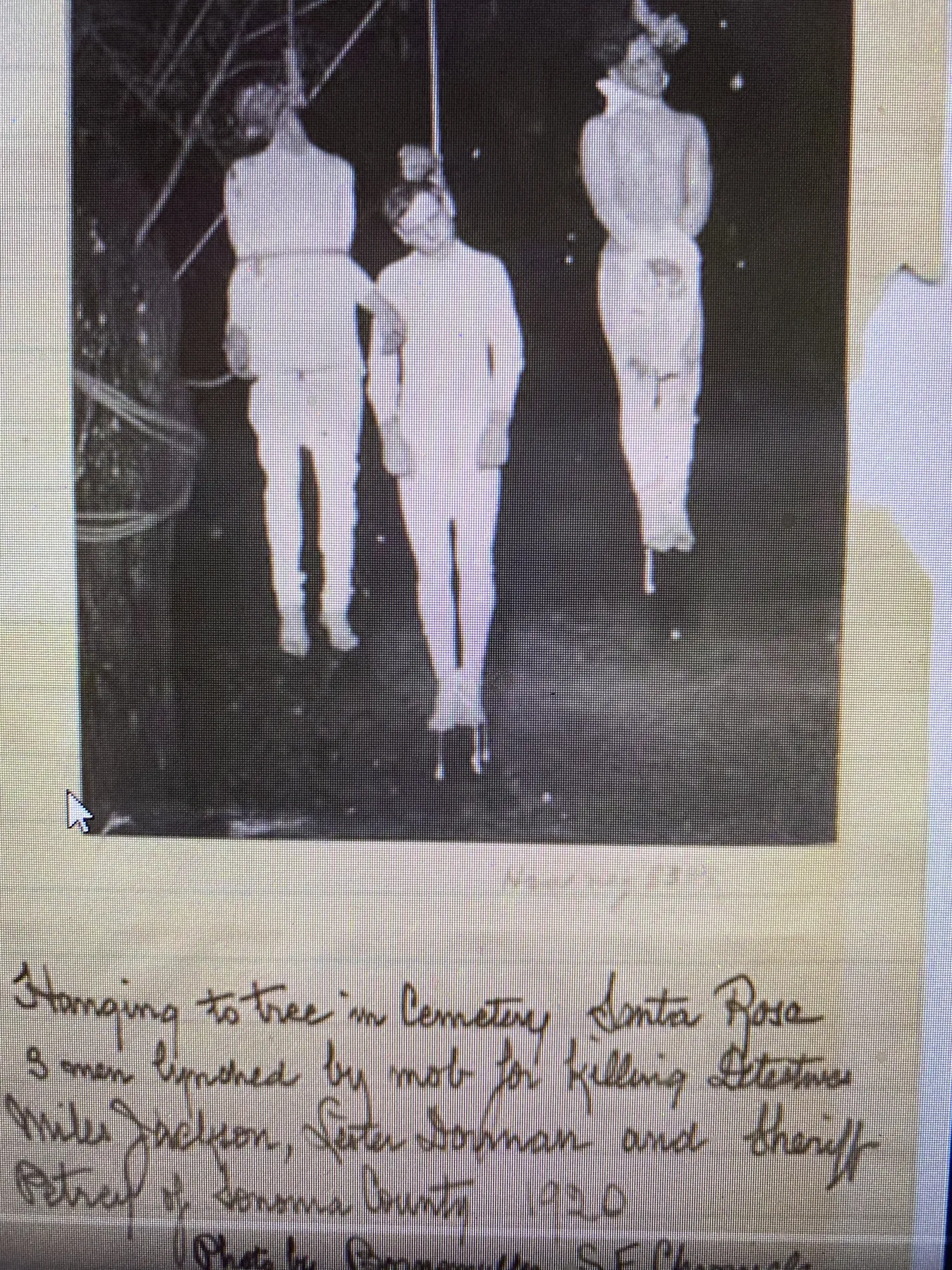
The darkest chapter in the cemetery’s history is also one of the best documented. For this section we went back to the original front pages of the Santa Rosa Republican from December 10 and December 11, 1920, and to a hand-annotated 1920 San Francisco Chronicle photo print of the hanging, all held in the LiveSciFi research archive. They show why the lynching happened, how it was carried out, and where in the cemetery it took place.
Why it happened: the Howard Street Gang
The events behind the Santa Rosa lynching began in San Francisco in late November 1920. Members of the Howard Street Gang, also called the Spud Murphy gang, were accused of kidnapping and brutally assaulting young women. The attacks caused public outrage and a manhunt. Three suspects, George Boyd, Charles “Spanish Charley” Valento and Terry Fitts, ran north. Fitts was a recently paroled Santa Rosa native, and he led the others to a house he could use on West Seventh Street.
The shootout on West Seventh Street
On Sunday afternoon, December 5, 1920, Sonoma County Sheriff James “Sunny Jim” Petray went to the house with San Francisco police detectives Miles Jackson and Lester Dorman. Gunfire broke out inside. Petray and Jackson were killed, and Dorman died of his wounds a few hours later. Before he died, Jackson managed to shoot and wound Boyd. All three suspects were captured and locked in the Sonoma County jail at Courthouse Square. District Attorney Hoyle later said he had evidence that Fitts was a principal in the killings and had passed the gun to Boyd.
Why Santa Rosa wanted vengeance
Petray was a popular, warm-hearted sheriff who had served only about two years, and two of the dead were big-city detectives who had come to Santa Rosa for help. Within hours of the shooting a crowd gathered at the jail, and rumors of a lynching spread across the county. Officials expected trouble around Petray’s funeral, but the first nights passed quietly. The three men had already been indicted for murder, but many people in Santa Rosa did not want to wait for a trial.
The midnight jail raid
According to the Santa Rosa Republican of December 10, 1920, about 35 armed, masked men took the jail shortly after midnight. Before going in, the mob posted armed guards at the surrounding street corners, including Fourth and Hinton and Third and Main, to keep anyone from interfering. The paper reported that Sheriff John M. Boyes, Jailer Gus Jewett and Deputy Sheriff Marvin “Butch” Robinson were on duty and were overpowered. Boyd, Fitts and Valento were dragged from their cells, pushed into waiting cars and driven out of downtown. The paper’s banner headline that day reported that San Francisco men had been part of the band of lynchers.
Where in the cemetery the hanging happened
The Republican reported that the three prisoners were taken to “the Odd Fellows’ cemetery” and hanged from the same limb of a giant oak. Wire reports that ran in other newspapers add detail: the cars drove out Fourth Street to McDonald Avenue and into the cemetery, and the men were hanged from a spreading oak about sixty feet inside the gates, with car headlights turned on the tree.
The name can be confusing today. In 1920 the old burial grounds on this hillside were run by different associations, including the Odd Fellows, whose association later operated what is now Santa Rosa Memorial Park next door. Santa Rosa historians who have pieced the night together place the hanging on the grounds of today’s Rural Cemetery, near the McDonald Avenue side, and later local retellings put the tree near the veterans’ memorial. One detail is consistent: the hanging tree no longer stands. The city eventually cut it down because souvenir hunters kept stripping bark from its trunk.
The morning after
The bodies were left hanging into the morning. Many Santa Rosa residents, including women, walked out to the cemetery to look at them before the coroner had them cut down. In its December 11 edition, under the headline “Bodies of Lynched Men Removed,” the Republican described a city that was quiet and subdued the morning after. It reported that a local physician, Dr. Butler, was said to have witnessed the hanging, that a coroner’s inquest had begun, and that officials had found no immediate clues to who the masked men were. Later that day, roughly 3,000 people lined up outside the Welti mortuary downtown to view the dead men.
Our archive also holds the 1920 San Francisco Chronicle photo print below, which shows the three men hanging from the tree. A handwritten note on the print identifies them as the men lynched by a mob for killing Detectives Miles Jackson and Lester Dorman and Sheriff Petray. We are publishing it as a historical document. Content warning: the photograph shows the bodies of the lynching victims.
Official reaction: condemnation, but no charges
California Governor William D. Stephens publicly condemned the lynching, saying that lynch law brought discredit on the state. In Santa Rosa, the reaction was very different. The coroner’s jury ruled that the three men died by hanging at the hands of a mob of unknown persons, and it formally cleared the sheriff and his deputies of any blame. Judge Emmet Seawell then dismissed the murder indictments against Boyd, Fitts and Valento at the district attorney’s request, since the defendants were dead.
No one was ever prosecuted. Historians have long argued that the mob included lawmen and well-known citizens, not just angry strangers. Sixty-five years later, one participant, Clarence “Barney” Barnard, finally described his role to Press Democrat columnist Gaye LeBaron in 1985. He remains the only member of the lynching party known to have spoken publicly. It was the last lynching in Sonoma County. Sheriff Petray himself is not buried at the Rural Cemetery; he was laid to rest at Oak Mound Cemetery in Healdsburg.
Whatever the three men did, they died without a trial. For paranormal investigators, that mix of sudden violence, unresolved justice and a known location is why this cemetery draws attention.
Notable People Buried at Santa Rosa Rural Cemetery
The famous graves here read like a who’s who of early Santa Rosa and California politics:
- Julio Carrillo: son of Doña María Ignacia López de Carrillo and one of the founders of Santa Rosa in 1854. His family’s Rancho Cabeza de Santa Rosa included the cemetery land.
- Thomas W. Mize (1823–1854): the cemetery’s first known burial, whose accidental drowning started it all.
- Edward Neblett (1818–1907): businessman and the first mayor of Santa Rosa.
- Jackson Temple (1827–1902): associate justice of the California Supreme Court across three separate terms.
- Colonel James B. Armstrong (1824–1900): the highest-ranking Civil War veteran buried here (134th Ohio Infantry). He was a lumberman who set aside the redwood grove that became Armstrong Redwoods State Natural Reserve.
- Lt. Col. John G. Pressley (1833–1895): Confederate officer, lawyer and judge whose family settled in Santa Rosa after the war.
- Dr. Annabel McGaughey Stuart (d. 1914): Civil War nurse and Santa Rosa’s first female physician, whose patients called her “Dr. Dear.”
- Thomas Larkin Thompson (1838–1898): newspaper publisher, California Secretary of State and U.S. congressman.
- Thomas J. Geary (1854–1929), Barclay Henley (1843–1914) and John All Barham (1843–1926): lawyers who each served in the U.S. House of Representatives.
- Mark L. McDonald (1833–1917): businessman and railroad investor whose name lives on in McDonald Avenue, the street along one of the cemetery’s entrances.
- William Wood Porter (1826–1907): Civil War officer and later a justice of the Arizona Territorial Supreme Court.
Victims of the 1906 earthquake
Just a few steps inside the Franklin Avenue gate is a concrete-covered mass grave. Two days after the great earthquake of April 18, 1906 destroyed downtown Santa Rosa, workers rushed to bury unidentified victims here. Eventually eighteen people were laid in that plot, including several who were never identified. In all, 37 earthquake victims who died in Santa Rosa rest somewhere in the Rural Cemetery. The cemetery also has graves of veterans going back to the War of 1812, a World War I Commonwealth war grave and about 100 Japanese-language headstones from the city’s early Japanese American community.
Ghost Stories and Reported Hauntings
The tall man at the McDonald Avenue gate
The best-known ghost story at the cemetery has nothing to do with the lynching. Near the McDonald Avenue entrance is the plot of a retired newspaperman named Lemmon. According to a story shared by the woman who cares for his plot, in 2003 she photographed her eight-year-old grandson beside the entrance pillar. When the film was developed, a tall, fog-like male figure seemed to be standing next to the boy. In 2010 she took a photo of her grandson in the same spot, and she says the same figure appeared again.
The hanging tree
Locals and ghost hunters also point to the area near the McDonald Avenue side where the 1920 hanging took place, even though the tree itself is long gone. People report sudden cold spots, a heavy feeling, and the urge to leave that part of the grounds. Some visitors say they have heard creaking like a rope under strain, or muffled voices pleading. It is worth remembering that newspapers in 1920 reported two of the men crying for mercy before they died. Those stories are well known, so they could shape what visitors expect to hear. That is one reason we treat our own recordings carefully.
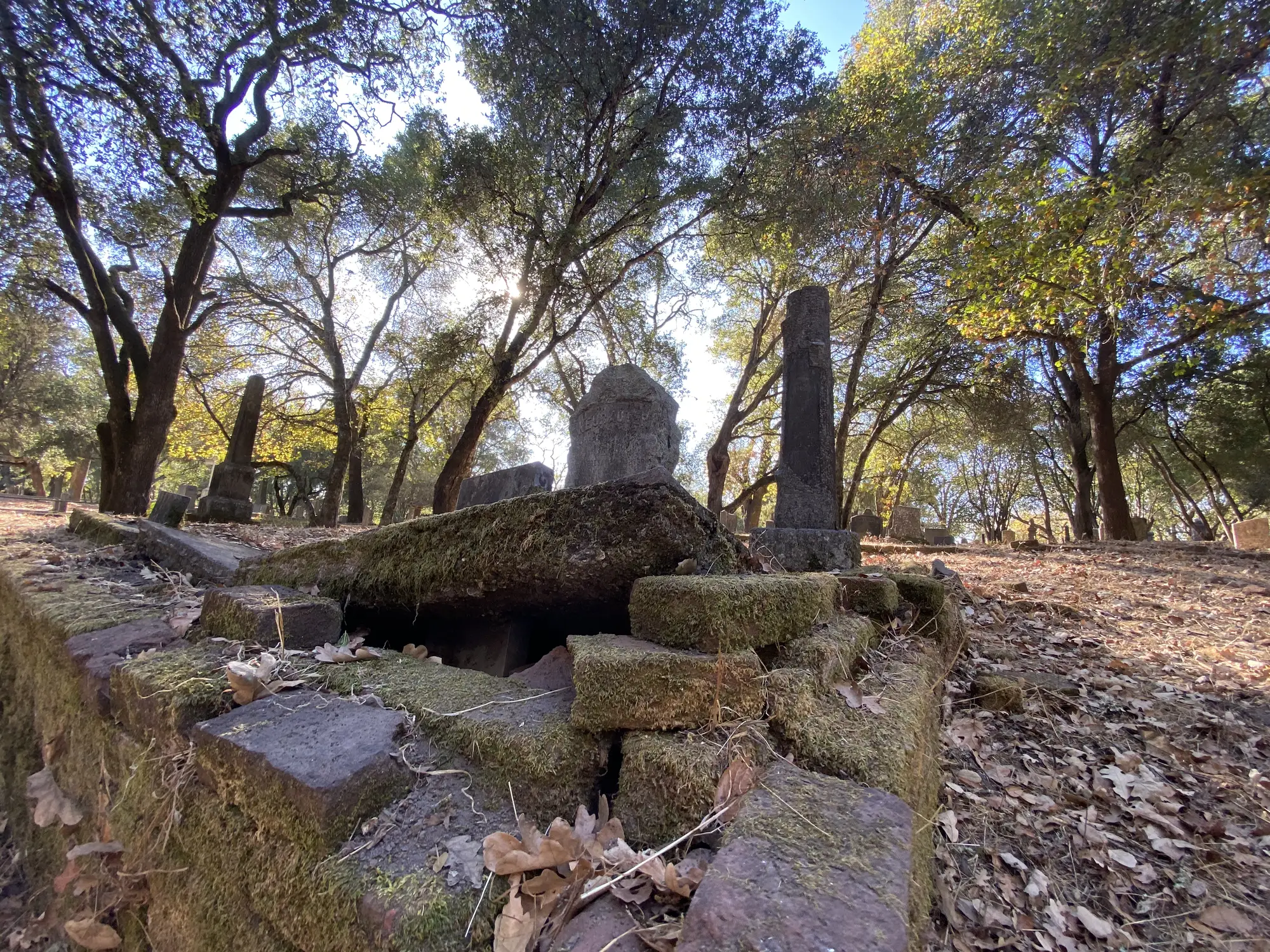
See more: browse all of our photos from this location in the Santa Rosa Rural Cemetery photo archive.
LiveSciFi’s Santa Rosa Rural Cemetery Investigation
On May 18, 2017, Tim Wood investigated Santa Rosa Rural Cemetery overnight with Patrick and Scotty for In Search of the Paranormal LIVE. The plan was simple: run EVP recording sessions among the tombstones, then try to make contact with a spirit board deep among the graves. The full episode, We Summoned Something… Haunted Cemetery Investigation Gone Wrong (1 hour 11 minutes), is below with links to every key moment.
Shadow people between the headstones
Several members of the LiveSciFi team saw shadow people during the investigation. These were dark, human-shaped figures, darker than the night around them, that seemed to move between headstones and then vanish. Shadow-person sightings are among the most commonly reported phenomena in old cemeteries. They are also among the hardest to document, because low light, peripheral vision and moving tree shadows can all fool the eye.
Disembodied voices
Early recorder playbacks picked up faint whispers and what sounded like movement around the team. At 10:04, the team heard an unexplained sound that seemed to be an object thrown near them. One whisper was interpreted as saying “Satan,” and at 22:25 playback captured a loud, clear disembodied voice that seems to say “Go.” At 16:27 the team also reported a sudden, sharp drop in temperature. Because the cemetery borders a residential neighborhood, we note that voices and sounds can carry at night, and we compare what we heard against our recordings.
The spirit board session
The activity escalated when the team brought out a spirit board, filmed by Scotty. Starting at 43:35, the planchette spelled “YOU POL ME” and “SEE ME,” then identified itself as “BEN.” It spelled “RUN” and indicated the team was in danger, then “FOUR MEN” and “KILL IT.” Asked whether it was an entity from a past investigation, the board answered “PAST,” then “NO TELL,” and finished with “HAHA” before the team closed the session. Some viewers connect the “four men” message to the cemetery’s history, but the 1920 lynching involved three men hanged and three lawmen killed, so we treat any link as speculation.
The “I am vampire” EVP
The most startling evidence from our Santa Rosa Rural Cemetery investigation is an EVP (electronic voice phenomenon) captured on the audio recorder that had been left on the spirit board. When we played it back at 59:25, a voice appears to say, “I am vampire,” followed by talk of danger. The same recorder also produced harsh, rasping whispers, a faint “Help” at 57:08, the name “Ethan” at 58:36, and, at 1:03:00, a voice that seems to say “It’s your last night.”
We are not claiming that a vampire walks Santa Rosa Rural Cemetery. EVPs are open to interpretation, and the human brain is wired to find words in noise. We encourage you to listen for yourself, first without reading the caption, and decide what you hear.
Watch the investigation and jump to the key moments
Full episode: We Summoned Something… Haunted Cemetery Investigation Gone Wrong (In Search of the Paranormal LIVE, May 18, 2017, 1:11:13).
- 0:17 — Cemetery arrival and team introduction
- 10:04 — Unexplained sound and reported thrown object
- 10:39 — EVP playback captures a whisper
- 16:27 — Sudden drop in temperature
- 22:25 — Disembodied voice says “Go”
- 43:35 — Spirit board spells “YOU POL ME” and “SEE ME”
- 46:59 — Board spells the name “BEN”
- 48:22 — Board spells “RUN”
- 49:17 — Board spells “FOUR MEN” and “KILL IT”
- 52:13 — “PAST,” “NO TELL” and “HAHA”
- 57:08 — Recorder captures “Help”
- 58:36 — Recorder captures the name “Ethan”
- 59:25 — The “I am vampire” EVP
- 1:03:00 — “It’s your last night”

How LiveSciFi approaches the evidence
We try to rule out ordinary explanations such as traffic, neighbors, wind, animals and our own voices before calling anything unexplained. We play EVPs without leading captions first and label photos as possible anomalies, not proof.
Is It True? Santa Rosa Rural Cemetery’s History and Our Paranormal Encounters
What the historical record supports
The history is solid. The 1854 founding, the earthquake burials and the December 10, 1920 lynching of Boyd, Fitts and Valento are all documented in newspapers, coroner’s inquest transcripts and decades of local research. The 1920 lynching really happened on these grounds, and nobody was ever held responsible for it.
Why the legends persist
Is Santa Rosa Rural Cemetery haunted? No one can prove it. But a documented act of mob violence, a mass grave of disaster victims and more than 170 years of burials, plus years of similar reports of shadow figures and voices, explain why it ranks among the most talked-about haunted cemeteries in California.
Visiting Santa Rosa Rural Cemetery
The cemetery is owned by the City of Santa Rosa and is open to the public, free of charge, during daylight hours. The main entrance is at 1600 Franklin Avenue; a second entrance is on McDonald Avenue. Volunteers offer self-guided tour maps and guided history walks, and the cemetery’s lamplight tours around Halloween are a local favorite, with costumed volunteers telling the stories of people buried there. Check the City of Santa Rosa’s Rural Cemetery page for current hours and tour dates.
Please be respectful. This is an active historic cemetery, many headstones are fragile, and volunteers spend years repairing them. Stay on paths, never lean on or move stones, and do not enter after hours without permission. Night investigations should only happen during approved events or with permission from the city.
Questions About This Haunted Location
Where is Santa Rosa Rural Cemetery?
It is at 1600 Franklin Avenue, Santa Rosa, CA 95404, in Sonoma County, about an hour north of San Francisco. GPS coordinates: 38.45556, -122.70472.
What happened at Santa Rosa Rural Cemetery in 1920?
On December 10, 1920, a masked mob took George Boyd, Terry Fitts and Charles Valento from the county jail and hanged them from a tree inside the cemetery. The men had been indicted for killing Sheriff James Petray and two San Francisco detectives. No one was ever prosecuted, and it was the last lynching in Sonoma County.
Who is buried at Santa Rosa Rural Cemetery?
More than 5,500 people, including city founder Julio Carrillo, first mayor Edward Neblett, California Supreme Court Justice Jackson Temple, Colonel James B. Armstrong, Dr. Annabel McGaughey Stuart, several congressmen and 37 victims of the 1906 earthquake.
Is Santa Rosa Rural Cemetery haunted?
Visitors report apparitions, and our team has experienced shadow people, disembodied voices and EVPs, including “I am vampire.” These are personal experiences and recordings, not proof of a supernatural cause.
Where can I hear the “I am vampire” EVP?
The EVP is at 59:25 in our full episode, We Summoned Something… Haunted Cemetery Investigation Gone Wrong. Listen first without reading the captions and decide what you hear.
Nearby Haunted Places and Related Investigations
- Santa Rosa Rural Cemetery photo archive
- LiveSciFi Haunted Locations map
- Old Washoe Club: Haunted History, EVPs & Ghost Tours
- Dumas Brothel, Butte, Montana
Historical References and Further Reading
- Santa Rosa Republican, December 10, 1920, front page: “S. F. Men in Band of Lynchers Here; Gov. Stephens Flays Act.” View the front-page scan (LiveSciFi archive)
- Santa Rosa Republican, December 11, 1920, front page: “Bodies of Lynched Men Removed.” View the front-page scan (LiveSciFi archive)
- San Francisco Chronicle, 1920, annotated photo print of the Santa Rosa lynching. View the full-size scan (LiveSciFi archive; also shown above)
- Jeff Elliott, “There Will Be Prices Paid” series on the 1920 Santa Rosa lynching, SantaRosaHistory.com / Comstock House History
- Transcript of the Sonoma County Coroner’s Inquisition into the murders of James A. Petray, Miles M. Jackson and Lester Henry Dorman, and the lynching of Terrance Fitts, George Boyd and Charles Valento (Dec. 27, 1920)
- Officer Down Memorial Page: Sheriff James Albert Petray; Detective Lester Dorman
- John Beck, “Piecing Together the History of Santa Rosa Rural Cemetery”, Sonoma Magazine (January 2016)
- Santa Rosa Rural Cemetery, Wikipedia
- Historical Marker Database: Santa Rosa 1906 Earthquake Monument
- City of Santa Rosa: Santa Rosa Rural Cemetery
See 18 Santa Rosa Rural Cemetery, Santa Rosa location photos
Photos from our investigations
18 location photographs from LiveSciFi’s investigations at Santa Rosa Rural Cemetery, Santa Rosa. Select a photo to see it full size with its caption and details.
From the photo archive
Santa Rosa Rural Cemetery, Santa Rosa location photos
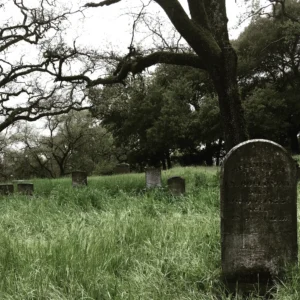
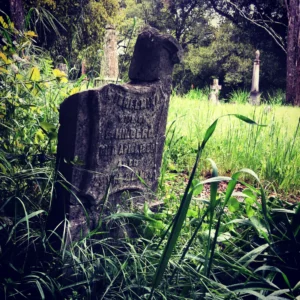

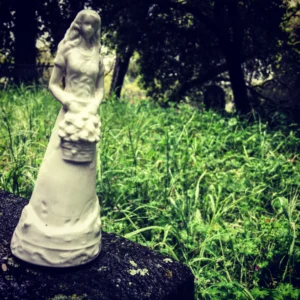
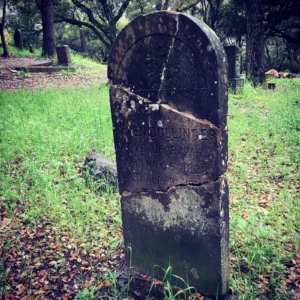
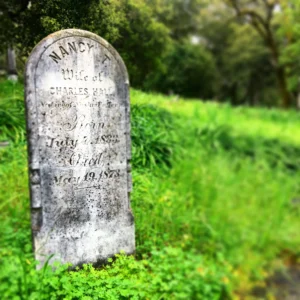
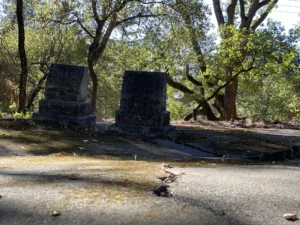
See all 18 Santa Rosa Rural Cemetery, Santa Rosa location photos
Documents from the archives
2 documents about this location, each with its source, a summary and the facts it records.
- S. F. MEN IN BAND OF LYNCHERS HERE; GOV. STEPHENS FLAYS ACT Santa Rosa Republican, 1920-12-10
- Bodies of Lynched Men Removed Santa Rosa Republican, 1920-12-11