
Was The Texas Chain Saw Massacre really based on a true story? The short answer is yes, in part—but the 1974 film did not recreate a real chainsaw massacre in Texas. Leatherface, the fictional killer imagined by director Tobe Hooper and co-writer Kim Henkel, incorporated disturbing elements associated with Ed Gein, a murderer and grave robber from rural Wisconsin. The slaughterhouse family, the road trip, the victims, and the chainsaw killings belong to horror fiction.
When I originally wrote about the connection for LiveSciFi in 2012, one detail stood out: the human remains and handmade objects police discovered at Gein’s isolated farmhouse in 1957 sounded almost too disturbing to be true. More than a decade later, Netflix’s Monster: The Ed Gein Story has revived interest in the case—and created fresh confusion about which scenes are historical and which are dramatized. This expanded article follows the original evidence, the people whose lives were taken, the farmhouse, the filmmakers’ inspirations, and what the Netflix series gets wrong.
Quick answer: Ed Gein was real; the human-skin masks and objects linked to his crimes were real; the 1954 and 1957 deaths of Mary Hogan and Bernice Worden were real. Leatherface’s chainsaw rampage and the fictional Texas family were not. And the Netflix series, although rooted in historical events, is not a documentary.
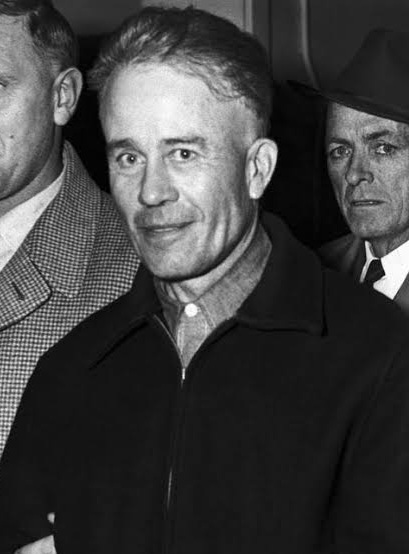

Who Was Ed Gein? The Man Behind the Leatherface Legend
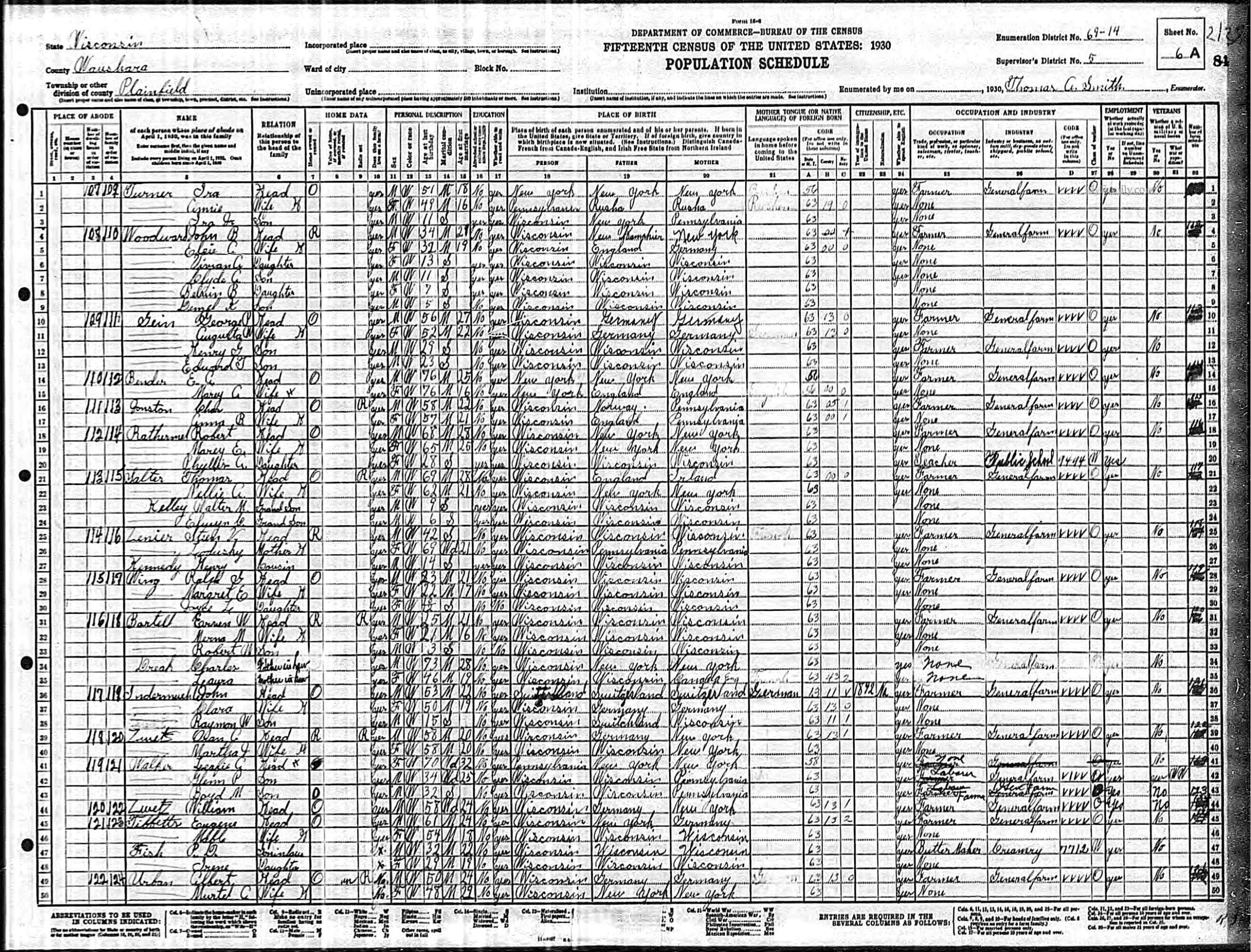
Edward Theodore Gein was born on August 27, 1906, in Wisconsin. He grew up with his brother Henry, father George, and mother Augusta. The family eventually lived on a remote farm near Plainfield, Wisconsin, far from the Texas setting that would later make Gein’s story famous in popular culture. Neighbors remembered Gein as quiet and socially awkward. He did odd jobs, helped around the community, and did not initially seem like the subject of one of America’s best-known criminal investigations.
Accounts of the family home describe a deeply restrictive upbringing. Augusta held rigid religious and moral beliefs, frequently warning her children about sin and the dangers of the outside world. Biographers have argued that her influence contributed to Gein’s isolation and fascination with his mother. Those interpretations may provide psychological context, but childhood circumstances do not excuse murder or establish a simple explanation for later crimes.
George Gein died in 1940. Four years later, Henry died during a brush fire on the family property. The official finding did not establish that Ed killed him. Some later accounts have raised suspicions, but Henry Gein’s death was never proved to be a murder committed by his brother. Augusta died in 1945, leaving Ed alone in the farmhouse. He kept some rooms associated with his mother relatively undisturbed while other parts of the building deteriorated.

The Two Women at the Center of the Ed Gein Case
True crime has a habit of giving a killer a memorable nickname while pushing the victims out of sight. Before discussing the infamous farmhouse and its contents, the names Mary Hogan and Bernice Worden deserve to be remembered. Gein admitted killing both women, although his 1968 murder trial focused on Worden.
Mary Hogan — 1954
Mary Hogan operated a tavern in Pine Grove, Wisconsin. She disappeared in December 1954 under circumstances that initially left investigators with an unsolved case. After Gein’s arrest years later, he acknowledged killing Hogan, and evidence recovered at his property linked him to her death. The sensational details reported by newspapers should not obscure the basic fact: a woman was murdered, and her disappearance devastated a community before investigators learned what had happened.
Bernice Worden — November 16, 1957
Bernice Worden owned a hardware store in Plainfield. When she disappeared on November 16, 1957, her son Frank, who was also a deputy sheriff, noticed a transaction that pointed investigators toward Gein. Police searched the Gein farm and discovered Worden’s body. What they found elsewhere in the house transformed a local homicide investigation into a national story.
The human remains recovered from the property involved both the victims and bodies Gein had removed from graves. That distinction matters: the number of remains or objects in the house does not establish an equivalent number of homicide victims. The two murders he admitted remain the clearest documented killings associated with the case; speculation about additional disappearances should be labeled as speculation rather than fact.
Inside Ed Gein’s House: What Police Actually Discovered
The term “house of horrors” became attached to the old Plainfield farmhouse after investigators entered in 1957. Police found human remains and objects fabricated from human skin and bone, including masks, bowls made from skulls, and materials used as coverings. The evidence was horrifying, but it wasn’t a fictional prop department or proof that every lurid rumor was true. Some bodies had been disinterred from cemeteries; Gein told investigators he visited graves and removed recently buried women, particularly those who reminded him of his mother.
Our 2012 LiveSciFi article reproduced a lengthy inventory of alleged objects. For this restoration, I’ve condensed that material to the best-documented categories, rather than repeating every graphic item or unverified count. That is a better way to understand the case and makes clear how details that sound like Texas Chain Saw Massacre set dressing originated in a genuine investigation.
The farmhouse was not a movie location created by a studio. It was a real residence whose rooms and contents were documented by law enforcement and journalists. Images of the house, police search, and later fire exist in archival collections. However, many surviving Ed Gein crime-scene photographs are still copyrighted. A historically authentic photograph is not automatically free for websites to republish.
Photos of Ed Gein’s Real House and 1957 Investigation
For readers who want to examine original material instead of modern recreations, these are useful archival references:
- Historical views of Ed Gein’s real farmhouse and its destruction — Biography’s account explains the house’s fate and includes documentary imagery.
- Ed Gein escorted to the Wisconsin State Crime Laboratory, November 17, 1957 — an identified contemporary photograph from the Wisconsin Historical Society, which requires permission for reuse.
- Ed Gein at the State Crime Lab, November 19, 1957 — another documented photo with the photographer and image rights identified.
Image note: These links lead to historical source collections, not photographs falsely presented as LiveSciFi property. We have not copied restricted police or crime-scene photographs into this page.
What Happened to the Ed Gein Farmhouse?
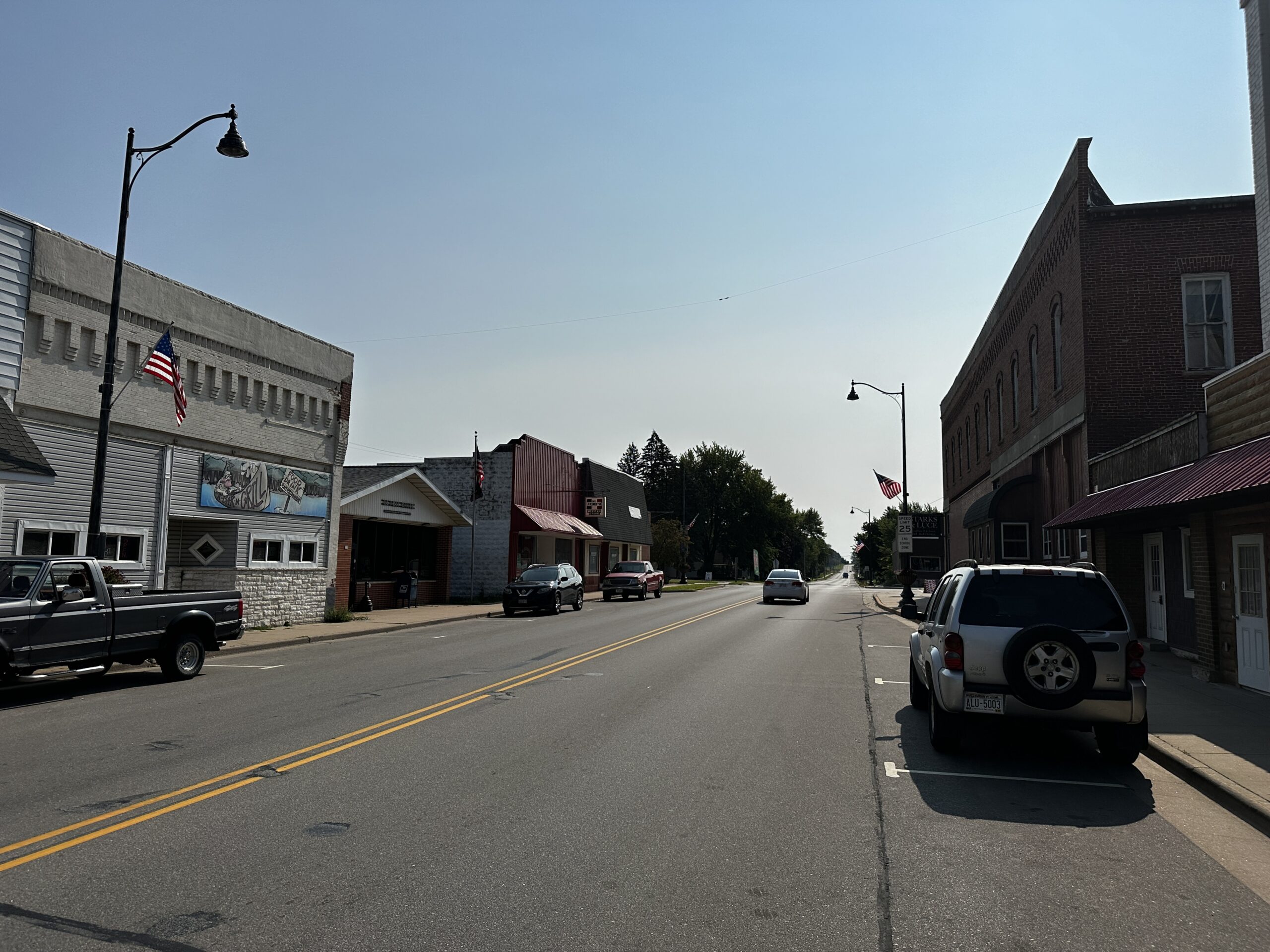
The real Gein house stood outside Plainfield. Following his arrest, interest in the property was so intense that people considered turning the farm and its contents into a paid attraction. Instead, the farmhouse burned to the ground in March 1958, shortly before a planned auction. Investigators considered arson, but the cause of the blaze was not established conclusively and no person was convicted of setting it. The original house no longer stands. Modern pictures of rural buildings sometimes circulate with Gein’s name attached; viewers should verify captions and locations before assuming they depict his actual home.

Did Ed Gein Really Become Leatherface?
No. Leatherface is a fictional character, and the 1974 movie’s events were never a documented Texas killing spree. The connection lies chiefly in disturbing visual and thematic details. Gein created masks and objects from human remains. Leatherface wears masks, and the film stages its family home as a grotesque collection of furniture and trophies. That’s where the historical parallels are strongest.
The rest is filmmakers’ invention. The teenagers traveling through Texas, the Sawyer family, the hitchhiker, the extended chase and the film’s climactic attack never happened as shown. Gein was from Wisconsin, not Texas; there is no documented evidence that he committed murders with a chainsaw. A sensational marketing campaign encouraged audiences to think the movie was a faithful reenactment. It wasn’t.
Why Did Tobe Hooper Choose a Chainsaw?
Tobe Hooper recalled getting the idea while stuck in a crowded department store during the holiday shopping season. Looking at the chainsaws on display, he imagined the terrifying possibility of using one to clear a path through the crowd. Hooper and his collaborators blended inspirations, including Gein and other violent crimes, with anxieties about family, slaughterhouses and everyday brutality. The result was not a biopic; it was a fictional horror film designed to feel unnervingly real.
The director’s documentary-like camera style and the movie’s grim opening helped build that illusion. Even today, search terms such as “Texas Chainsaw Massacre true story 1974” and “was Leatherface real?” reflect how effective the illusion remains.
Was Netflix’s Monster: The Ed Gein Story Real or Fictional?
Netflix released Monster: The Ed Gein Story in 2025 as the third season of the Monster anthology. Charlie Hunnam plays Gein, Laurie Metcalf plays Augusta Gein, and Suzanna Son plays Adeline Watkins. The eight-episode production depicts real people and real crimes, but dramatizes conversations, motives and incidents that historical records cannot verify. Netflix itself describes the series as inspired by Gein’s life, not as a documentary transcript.
Netflix Ed Gein: Fact vs. Fiction
| What viewers see or hear | Historical assessment |
|---|---|
| Gein kills or is connected to the deaths of Mary Hogan and Bernice Worden. | Documented: he admitted both murders; the Worden case led to his arrest and trial. |
| Gein robs graves and keeps human remains at the farmhouse. | Documented: grave robbery and objects made from remains were central to the police investigation. |
| Gein murdered his brother Henry. | Not established: Henry died during a 1944 fire; Ed was never proved responsible. |
| Gein killed people with a chainsaw, as Leatherface does. | Fictional: no documented chainsaw murders by Gein. |
| Adeline Watkins was a close accomplice in grave robbery. | Unsubstantiated: the real Watkins made conflicting statements about their relationship; no credible evidence proves she participated in his crimes. |
| Gein murdered the missing girl Evelyn Hartley. | Unproven: Hartley’s disappearance remains an unsolved case, not an established Gein murder. |
| Gein kills a nurse during psychiatric hospitalization. | Fictional: no reliable historical record substantiates that act. |
| Gein helps investigators capture Ted Bundy. | Fictional: the reported collaboration is a dramatic invention. |
In other words, the Netflix adaptation is based on a real criminal case, but not every murder, relationship or conversation in the series occurred. That matters particularly when a production includes real victims of unsolved crimes. A scene can be effective horror storytelling without being accurate history. For additional context, see Netflix’s description of its series, Biography’s fact check, and TheWrap’s fact-versus-fiction investigation.
Ed Gein, Psycho, and The Silence of the Lambs: Three Different Horror Legacies
Ed Gein’s influence spread beyond Leatherface. Norman Bates in Psycho evokes isolation, an obsessive attachment to a dead mother and the concealment of a second life behind a harmless public persona. Buffalo Bill in The Silence of the Lambs draws a different comparison: a killer who makes clothing from human skin. Each fictional character takes select ideas associated with Gein into a new story. None should be mistaken for a direct reproduction of his biography, and the degree of direct inspiration varies across creators and works.
This is also why calling Gein the “real Leatherface” can be misleading. His case influenced a cultural archetype, but the film’s monster was invented by screenwriters, performers, designers and filmmakers. Equating the two erases the important differences in victim numbers, motive, setting and evidence.
What Happened to Ed Gein After His Arrest?
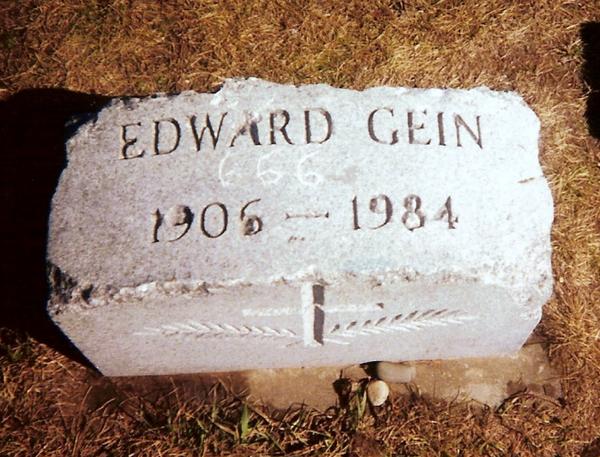
Following the discovery of the crimes in 1957, Gein was judged unable to stand trial because of his mental condition and was placed in a psychiatric institution. In 1968, he was considered competent to participate in court proceedings. The court found that he had killed Bernice Worden but determined he had been legally insane at the time; he remained institutionalized. Gein died on July 26, 1984, at age 77.
The legal outcome is another reason to resist the inaccurate story that Gein was a Texas chainsaw killer who escaped into the woods. He was identified, apprehended, evaluated and confined for the remainder of his life. Nothing in the record turns the 1974 film’s particular massacre into a real event.

Watch LiveSciFi’s Original Discussion: Is The Texas Chain Saw Massacre True?
This is the original LiveSciFi video associated with the article, retained as part of the 2012 post restoration. In it, we take a look at what inspired the film and the story of Ed Gein. The archived discussion is offered as historical LiveSciFi coverage; the updated facts and sources in this article provide additional context not available when the video was first featured.
Watch the original LiveSciFi Texas Chainsaw Massacre true-story video on YouTube.
More Investigations: Watch The Demon Files and Live Ghost Hunts
If you enjoy uncovering the history behind disturbing locations and separating reported paranormal activity from documented facts, take that curiosity into our own recorded investigations. The Demon Files follows Tim Wood and the LiveSciFi team as they examine reported hauntings, ominous encounters and alleged demonic phenomena. These are distinct investigations—not a claim that Gein’s farmhouse was part of The Demon Files.
Watch The Demon Files episodes on LiveSciFi.tv or explore all paranormal episodes and ghost hunts. For an on-location example, see Devil’s Asylum: our St. Ignatius haunted-hospital episode.
You can also subscribe to LiveSciFi’s YouTube channel to find archived live-streamed ghost hunts and further paranormal coverage.
Frequently Asked Questions
Is the 1974 Texas Chainsaw Massacre a true story?
No. The movie’s particular crimes and characters were invented, although Leatherface’s imagery borrowed from aspects of Ed Gein’s real Wisconsin case.
Was Leatherface based on a real person?
Partly. Ed Gein influenced aspects of Leatherface, especially the use of skin masks and macabre household objects, but Leatherface himself was fictional.
How many people did Ed Gein kill?
Gein admitted the killings of Mary Hogan and Bernice Worden. Additional crimes have been speculated about, but they have not been proved to the same standard.
Did Ed Gein really live in the Texas Chainsaw Massacre house?
No. Gein lived near Plainfield, Wisconsin. His farmhouse burned down in March 1958; the film was set in Texas and used separate locations.
Did Ed Gein kill anyone with a chainsaw?
There is no documented evidence that Gein used a chainsaw to kill his victims. That weapon is part of the fictional Leatherface story.
Is the 2025 Netflix Ed Gein series accurate?
Its main historical background is real, but several murders, relationships and scenes are fictionalized or unsupported by evidence. It should be viewed as a dramatization.
Are Ed Gein crime-scene photos real?
Yes, period photographs survive in historical archives and media collections. Authenticity does not imply free reproduction rights; this article links to examples held by identifiable archival sources.
Sources and Image Credits
- Texas State Historical Association — The Texas Chain Saw Massacre (1974): film development, influences and fictional marketing.
- HISTORY — Ed Gein’s life, arrest and confinement.
- Biography — the Gein farmhouse, 1958 fire, and archival visual record.
- Netflix Tudum — Monster: The Ed Gein Story (2025).
- Biography — historical fact check of the Netflix dramatization.
- Ed Gein circa 1958 portrait — public domain.
- 1930 U.S. Census record — public domain.
- Plainfield Wisconsin photograph by Praiawart — CC BY 4.0.
By Tim Wood, founder of LiveSciFi.tv. Originally published November 28, 2012. This restored edition expands the original film-history article with sourced reporting, updated Netflix context, historical images and original LiveSciFi video. Images are documentary illustrations and are captioned to distinguish historical records from modern photographs.
Join the Conversation
Have you experienced something unexplained? Share your thoughts and experiences with the LiveSciFi community.