
Is the Other Mommy a demon? Yes—in the sense that Other Mommy (2026) portrays her as a malevolent supernatural, demon-like being that imitates a mother and seeks to take possession of a child. But the movie does not identify her as a particular named demon from historical demonology. The more precise description is a shape-shifting impostor entity: she looks like Bela’s mother, gains the girl’s trust and wants access to her body and heart.
That distinction is what makes the new Jessica Chastain horror movie so interesting. The creature’s behavior resembles the deceitful or deluding spirits in older demonological writings, yet the movie builds its own rules. Below, we’ll explain what Other Mommy is, why her request for permission matters, the closest historical parallel, and how the film’s haunting compares with the cases explored by LiveSciFi.
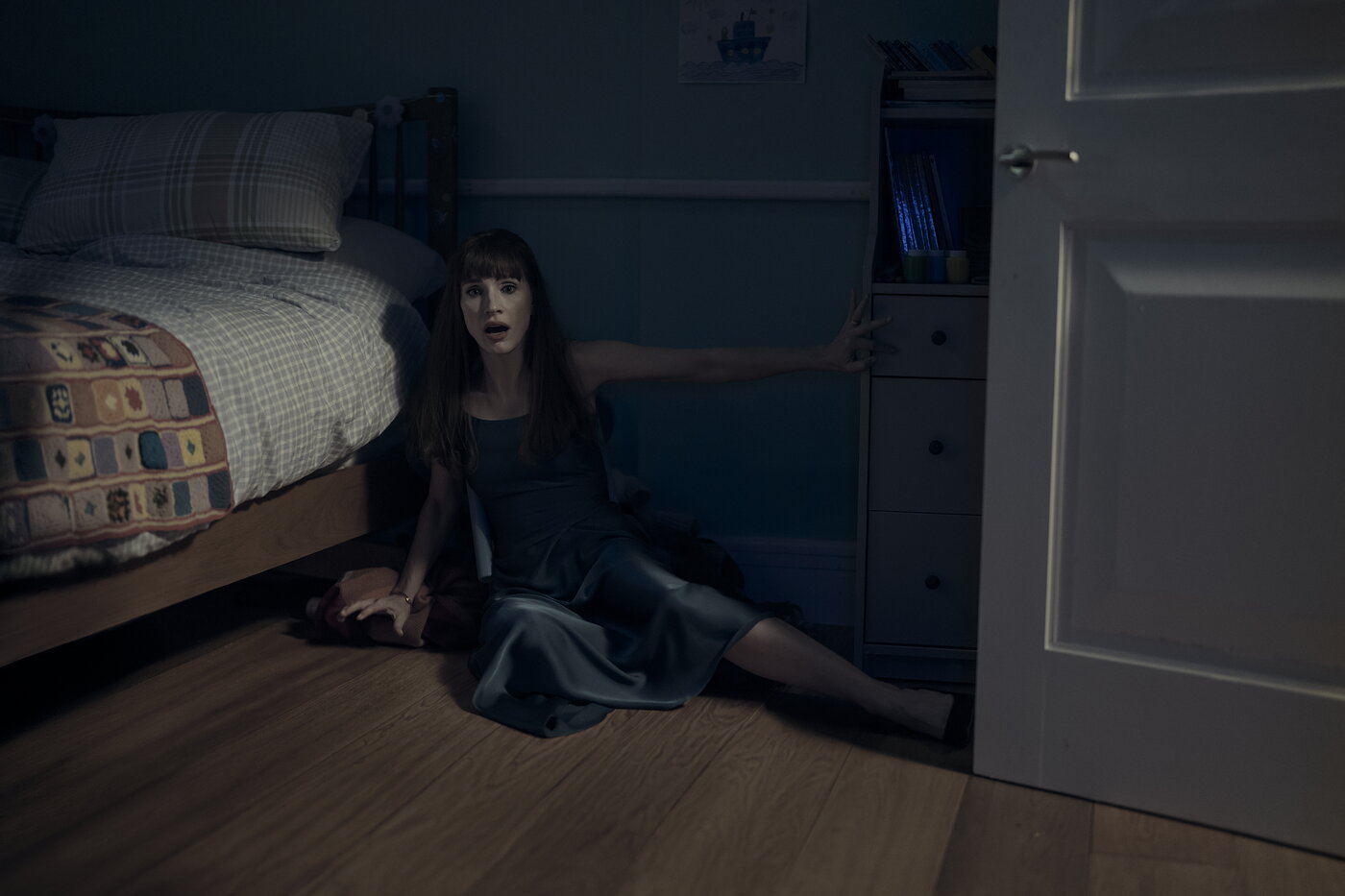
Film still: © 2026 Universal Pictures. Image via OutNow’s Other Mommy image gallery. Used here to discuss the film.
Spoiler note: The first sections discuss the film’s premise and trailer. The ending is covered separately below under a clearly marked spoiler heading.
What is Other Mommy in the 2026 horror movie?
Other Mommy, released in U.S. theaters on October 9, 2026, follows Bela (Arabella Olivia Clark), a young girl who encounters something in her home that looks uncannily like her mother, Ursula (Jessica Chastain). Chastain plays both the real mother and the strange figure called “Other Mommy.”
The film comes from director Rob Savage, with a screenplay by Nathan Elston, and adapts Josh Malerman’s novel Incidents Around the House. James Wan produces for the Blumhouse Atomic Monster team. Jay Duplass plays Bela’s father, Daddo. Universal Pictures describes the figure as a sinister entity—not simply a troublesome imaginary friend or a second ordinary person.
The horror comes from the deliberate confusion between comfort and danger. Other Mommy is familiar enough for a frightened child to trust, but her behavior and physical appearance reveal that something is wrong. The trailer’s contorted movements and unnatural expressions turn a recognizable parent into a frightening imitation.
Watch the official Other Mommy trailer
Watch the official Universal Pictures trailer below. Notice how the creature borrows Ursula’s appearance while its behavior becomes increasingly unnatural.
Watch on Universal Pictures’ official YouTube channel if the embedded player does not load.
Is Other Mommy a demon, ghost or doppelgänger?
The strongest answer is a demon-like, supernatural doppelgänger, rather than a confirmed demon with a traditional identity. She wears Ursula’s face, insinuates herself into Bela’s life, manipulates the girl’s emotions, and seeks to enter or control her. That is why viewers naturally describe the character as demonic.
- Not just an imaginary friend: the official movie premise presents Other Mommy as an entity with a threatening presence outside Bela’s imagination.
- Not clearly a conventional ghost: the film does not establish her as the spirit of a deceased person with a known former life.
- A convincing impostor: she resembles a living family member, using recognition and affection to lower Bela’s defenses.
- Demon-like in behavior: deception, psychological manipulation and threatened possession echo motifs found in demonic horror stories, without proving she belongs to a particular named historical class.
A doppelgänger is traditionally a double or look-alike. “Demon” carries a different set of religious associations. The movie blends the two ideas to make its central question frightening: How can a child know whom to trust when an intruder looks and sounds like someone she loves?
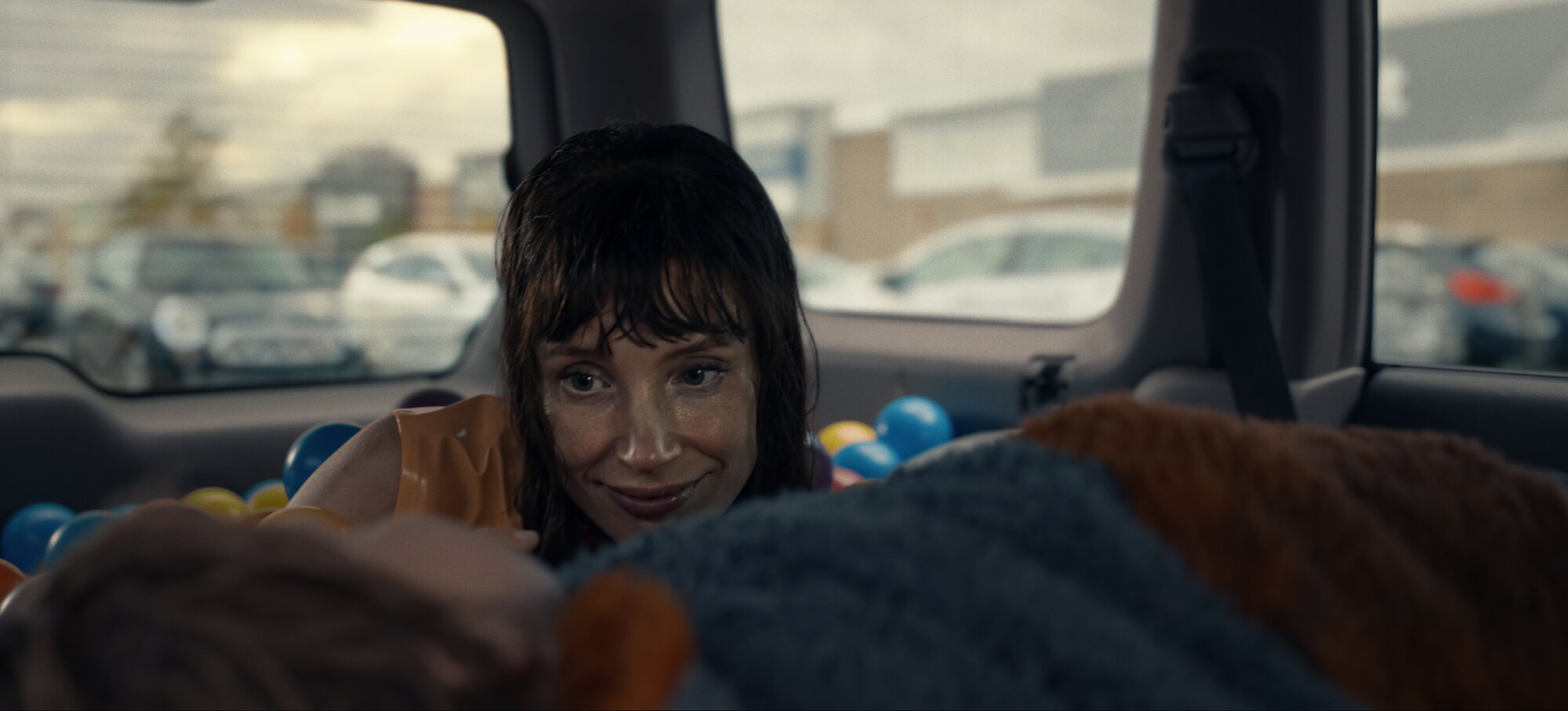
Film still: © 2026 Universal Pictures. Image via OutNow’s Other Mommy image gallery. Used here to discuss the film.
Why does Other Mommy want Bela’s permission?
One of the movie’s defining horror devices is the entity’s attempt to persuade Bela to let it inside her heart. The invitation gives its threat a personal dimension: the creature cannot simply rely on frightening appearances; it must persuade a vulnerable child to accept it.
This “you must let me in” rule is a fictional supernatural mechanism. Folklore and horror stories frequently use thresholds, invitations, bargains and consent to build suspense, but they do not establish a single universal rule for demons in any historical religious tradition. In Other Mommy, the requested permission also functions as a disturbing metaphor for emotional manipulation and corrupted parental love.
Which historical type of demon most closely resembles Other Mommy?
The closest parallel is the Deluders category in the ninefold system described by Heinrich Cornelius Agrippa and popularized in later occult literature. The word suggests spirits associated with false appearances and deception. Other Mommy’s central method is to create a convincing illusion of safety by copying a trusted person.
There is a second, looser resemblance to the category of lying spirits, since the creature wins attention through deceit. Neither label is a literal identification given by the film’s creators; the comparison is LiveSciFi’s interpretation of the character against a historical source.
- Deluders: the strongest analogy, because the creature deceives through imitation and an apparently comforting appearance.
- Lying spirits: another useful analogy, because the creature makes a relationship feel trustworthy while concealing dangerous intentions.
- Tempters and ensnarers: a more general thematic match for the entity’s effort to persuade Bela to accept a harmful bargain.
These are categories of supposed demonic activity, not proof that the creature is Satan, Pytho, Mammon, or any other named figure. For the historical sources and all nine classes, read our 9 Types of Devils and Demons: Historical Demonology Guide. For the differences between the nine orders and other systems of demon classification, explore Historical Demon Classifications: Seven Systems Explained.
Can Other Mommy Shapeshift Into Other People?
Yes. Other Mommy is not limited to Ursula’s appearance. Minor story spoilers: scenes involving Bela’s babysitter Kelvin and, later, her father Russ show that the entity can adopt familiar faces as well as distort a victim’s surroundings. What matters is not which person it copies, but how that disguise makes its promises harder to resist.
This strengthens the comparison with Deluders in historical demonology: the creature’s weapon is false familiarity. The film’s shape-changing is a fictional special effect, not evidence that an identified demon from the nine orders of evil spirits has appeared onscreen.
What Is Other Mommy’s Weakness?
The film’s central weakness is the entity’s dependence on Bela’s vulnerability, trust, and willingness to invite it in. The family’s attempts to shield Bela from painful truths leave her confused about whom to believe. Other Mommy takes advantage by offering a comforting version of love that asks for something dangerous in return.
Later in the story, an attempted spiritual intervention suggests that the creature’s access depends on the child’s innocence. This makes the parents’ secrecy more than background drama: when Bela learns that adults are imperfect and that love is not a promise of never being hurt, she becomes better able to reject the entity’s bargain. That is the movie’s storytelling logic—not a general rule about exorcism, children, or possession in the real world.
What Does the Ball Pit Scene Symbolize?
The surreal playground sequence turns an environment associated with childhood safety into an enormous, threatening maze. Its endless tunnels, floating plastic balls, and shifting sense of space reflect Bela’s struggle to distinguish familiar comforts from the entity’s traps. The imagery suggests how powerless a child can feel when the adults around her will not explain what is happening.
This is an interpretation of the film’s visual symbolism, rather than a secret clue proving that Other Mommy belongs to a named demon category. The scene’s power comes from making a cheerful place feel uncanny, just as the creature turns the face of a caring mother into a source of fear.
What Other Mommy gets right about the fear of deception
From a storytelling perspective, Other Mommy isn’t terrifying just because she looks monstrous. She becomes frightening by creating doubt about something ordinarily safe—a parent’s identity. Her familiar voice, unsettling expressions, and unusual body language make the imitation seem almost believable before the illusion cracks.
The film also taps into a long tradition of uncanny doubles, false familiars, and intrusive beings in supernatural fiction. Those narrative motifs overlap with older demonology in their emphasis on disguise, deception and temptation. They are not evidence that any real-world experience has the same cause. The contrast between the ordinary home and the alien presence is what turns the story into effective domestic horror.
The real paranormal connection: LiveSciFi at the Dumas Brothel
At LiveSciFi, we’ve spent years documenting people who report unsettling experiences they believe may be paranormal. Those reports are different from the fictional events of Other Mommy, but the themes of fear, perceived unseen presences and uncertainty about what’s happening inside a familiar space make an interesting comparison.
In Exorcism in Butte – Demon Files Episode 3, Tim Wood and the team investigate reported disturbances in Butte, Montana, including at the historic Dumas Brothel. The episode follows an investigation involving claimed demonic activity, reports of unusual voices and shadows, and an exorcism performed during the production. These are the experiences and interpretations presented in the documentary—not scientifically verified proof of demons or a basis for equating the case with the film’s creature.
Watch The Demon Files: Exorcism in Butte and the Dumas Brothel investigation →
Why the comparison matters: Other Mommy shows a fictional ritual that cannot control the entity after it is confronted. The Demon Files presents a documented investigation and participants’ claims about disturbing experiences at the Dumas Brothel. Placing them side by side lets readers compare how horror films dramatize exorcism with how paranormal experiences are reported and investigated, without presenting the film or the episode as proof of supernatural causes.
Is Other Mommy based on a true story?
No documented true haunting serves as the film’s stated source. Other Mommy is an adaptation of Josh Malerman’s Incidents Around the House, with the novel’s premise reworked for a theatrical horror film. The fictional narrative uses recognizable fears about family, trust and the home; it is not presented by Universal as the filmed record of a real demonic case.
Other Mommy ending explained (major spoilers)
Major movie spoilers ahead. The 2026 film doesn’t conclude with the simple confirmation of a named demon. Instead, the story revolves around whether Bela will surrender to the creature’s emotional manipulation and allow it into her heart.
In the film’s ending, Bela resists the entity, creating an apparent defeat rather than the creature successfully taking over her body. A brief post-credits moment undercuts any sense of total safety: Other Mommy appears again, suggesting the threat may not be gone for good. That final sting preserves the film’s central fear that an imitator can hide where it is least expected.
The film’s ending also differs materially from the darker ending reported for Malerman’s novel. For a plot-focused account of the adaptation’s differences, see People’s ending comparison.
What Ursula’s Confession Changes About the Ending
The family’s secrets are more complicated than Bela—and the audience—initially assume. As the climax unfolds, Ursula reveals that Russ is Bela’s stepfather and acknowledges difficult feelings from earlier in her life. The revelation challenges Bela’s picture of her family, but it also takes away some of the uncertainty that Other Mommy has been using to manipulate her. Accepting an imperfect family is not the same thing as believing the monster’s promise of perfect protection.
How the Movie Ending Differs From Incidents Around the House
In the film, Bela refuses to surrender her body, while the family survives its encounter with the entity. Josh Malerman’s novel takes a much darker route: Bela ultimately agrees to let Other Mommy enter her heart after devastating losses within her family, and the creature takes her place in the human world. The two endings use the same central temptation but arrive at very different conclusions about Bela’s ability to resist it.
The film’s post-credits sting complicates that apparent victory. Other Mommy appears directly before the audience and makes a shushing gesture—as though the threat of secrecy isn’t finished. That detail is a final horror-movie tease, not proof that the novel’s ending secretly happened onscreen. For additional reporting on the differences, see the film-versus-book ending comparison.
Frequently asked questions
What is Other Mommy’s weakness?
Her attempts at possession rely on Bela’s trust and agreement. As Bela understands more of the painful truth about her family, she becomes less susceptible to the creature’s false promises. That is a rule of this fictional story, not a verified rule about demons.
Can Other Mommy take the shape of other people?
Yes. The entity impersonates more than one familiar person, reinforcing the idea that its primary weapon is manipulation rather than a fixed human form.
Is the Other Mommy actually a demon?
She is a malevolent supernatural being with demon-like behavior, but the film doesn’t establish that she is a particular named demon from historical demonology. “Shape-shifting impostor entity” is more precise.
What demon is Other Mommy supposed to be?
No specific historical demon is confirmed as her identity. Our closest thematic comparison is to the Deluders among the nine historical classes of demons, because the character uses a convincing disguise and deception.
Who plays Other Mommy in the 2026 movie?
Jessica Chastain plays both Ursula, Bela’s mother, and the supernatural Other Mommy. Arabella Olivia Clark plays Bela, while Jay Duplass plays her father.
Does Other Mommy want to possess Bela?
Yes. Her attempt to get inside Bela’s heart is a central part of the movie’s threat. The film treats that invitation as something the entity tries to win through persuasion and manipulation.
Is Other Mommy a ghost or an imaginary friend?
The official story describes a sinister supernatural entity. She isn’t established as an ordinary ghost or merely a child’s invented companion.
Does Other Mommy have a post-credits scene?
Yes. The film includes a brief post-credits appearance that leaves open the possibility that the creature still exists.
Sources and further viewing
- Universal Pictures — Other Mommy official film synopsis, cast and credits.
- Universal Pictures — Other Mommy official trailer.
- Entertainment Weekly — Jessica Chastain discusses portraying the two characters.
- People — ending explanation and differences from Incidents Around the House.
- LiveSciFi — nine types of demons and their historical classifications.
- LiveSciFi — seven historical systems of classifying demons.
- LiveSciFi — The Demon Files at the Dumas Brothel.