
There are names that appear over and over again in demonology books, paranormal stories and Ouija-board accounts. I’ve spent much of my life investigating reported hauntings with LiveSciFi, and I’ve learned that hearing a name is very different from knowing what caused an unexplained experience.
This A–Z list of demon names brings back the 88 entries in LiveSciFi’s original historical article, but goes well beyond a bare list. It explains the backgrounds of figures such as Beelzebub, Paimon, Astaroth, Asmodeus, Belial, Lilith, Lucifer, Buer, Leviathan and ZoZo, compares ancient texts with later demonological catalogs, and links to the investigations and source material behind our reporting.
Names in scripture, Mesopotamian religion, Jewish folklore, early modern grimoires, European literature and modern paranormal reports do not all belong to one system. A mythological ferryman like Charon is not the same thing as a spirit listed in the Ars Goetia, and no part of this directory proves that a supernatural being exists or possesses a person.
Explore: Where the names come from · A–Z names · Famous demon names explained · The Demon Files Episode 2 · FAQ · Sources.
Demon names: biblical figures, spirits, folklore and the Goetia
There is no single universally accepted “complete demon list.” Here are four different histories you will encounter when looking up the names:
- Biblical and related writings include Abaddon, Belial, Asmodeus and other figures whose descriptions depend on the passage and translation.
- Jewish and Mesopotamian traditions include names and night-spirit motifs later adopted or transformed by different communities.
- Ceremonial grimoires such as the Lesser Key of Solomon give some spirits the titles “king,” “duke,” “marquis,” “earl” or “president,” sometimes with alleged legions. These are rankings in the texts, not independently verified chains of command.
- Later demonological catalogs and modern paranormal accounts supply many of the obscure names on the internet. Some trace back to old sources; others have uncertain origins.
The Ars Goetia is the best-known catalog of 72 spirits, but its manuscript tradition differs from the biblical and folklore traditions. Spellings vary across copies, and the 1904 Mathers–Crowley edition should be read alongside Joseph H. Peterson’s annotated transcription. For a closer comparison of hierarchies rather than names, see our guides to seven historical demon classification systems and the nine classes of demons.
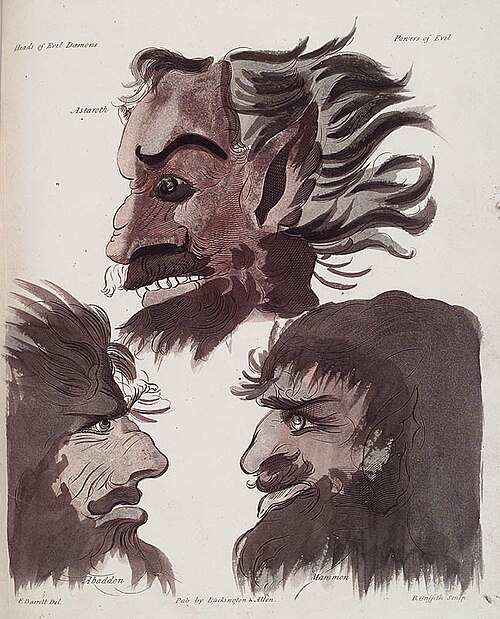
List of demon names from A to Z
The following index preserves every entry in the original article, including alternative spellings and figures that later demonographers misclassified. Where a name appears in a particular historical text, its description refers to that tradition—not an established supernatural fact.
A
- Abaddon — In Hebrew scripture, a term for destruction; Revelation links the name to the angel of the abyss.
- Apollyon (Abaddon) — Greek “destroyer,” paired with Abaddon in Revelation 9:11; not a second independent figure in that verse.
- Abigor — Also Eligos, a mounted duke in European Goetic catalogs.
- Adramelech — A name drawn from 2 Kings and later reinterpreted as an infernal official.
- Agares — A duke of the Goetia, often illustrated riding a crocodile.
- Alocer — Also Alloces, a Goetic duke described with a lion’s face.
- Amduscius — Also Amdusias, a duke associated in grimoires with music and a unicorn form.
- Andras — A Goetic marquis pictured as a winged, bird-headed figure.
- Asmoday — A grimoire spelling of Asmodeus, placed among the Goetic kings.
- Asmodeus — The evil spirit named in the Book of Tobit; later traditions elaborate his identity.
- Astaroth — A Goetic duke whose name acquired connections to older Near Eastern religious traditions.
- Aym — Also Aim or Haborym, a duke sometimes described holding a torch.
- Ayperos — Another form of Ipos or Aiperos, an earl or prince of Goetic lore.
- Azazel — Appears in Leviticus 16; scholars debate whether the name signifies a being, a place, or removal.
B
- Bael — First king in the Ars Goetia, assigned 66 legions in the text.
- Balam — A three-headed king in the Goetia, traditionally assigned 40 legions.
- Beelzebub — A major name in Christian demonology, often called Lord of the Flies in popular tradition.
- Belial — Initially connected with worthlessness or wickedness in Hebrew texts, later personified as an adversary.
- Belphegor — A later infernal figure often tied to sloth and associated retrospectively with Baal-Peor.
- Berith — A Goetic duke described in red clothing riding a red horse.
- Bifrons — An earl whose text attributes instruction in geometry and other arts.
- Botis — A Goetic president and earl who reportedly appears as a serpent.
- Buer — A president associated with medicine, plants and philosophy in the Goetia; famous for strange later illustrations.
C
- Caym — Also Caim or Camio, a president linked in the Goetia to the interpretation of animal sounds.
- Charon — The ferryman of Greek mythology, not originally a Christian demon.
- Cresil — A figure associated with impurity in later demonological lists; not among the classic 72.
- Crocell — A Goetic duke associated with hidden waters and geometry.
D
- Deumos — Also Deumo, a female figure in later European occult catalogs.
E
- Eurynome — A death-associated figure in later demonography, distinct from Eurynome in Greek myth.
F
- Focalor — A Goetic duke said to command winds and seas.
- Furfur — An earl associated with storms, commonly described as deerlike.
G
- Gaap — A prince or president in Goetic manuscripts, linked to teaching and transportation.
- Geryon — A being from Greek mythology and Dante, not a biblical demon.
H
- Haures — Also Flauros, a frightening Goetic duke described in leopard form.
I
- Ipos — Also Aiperos, a Goetic earl or prince associated with foreknowledge.
J
- Jezebeth — A spirit of falsehood in later compilations; its older documentary origins are uncertain.
K
- Kasdeya — A name linked in later demon lists to Enochic fallen-angel lore; exact attributions vary.
- Kobal — A comic or entertainment official in later imagined infernal hierarchies.
L
- Leonard — A goatlike devil and master of witches in later European demonological literature.
- Leviathan — A biblical sea creature or chaos serpent later personified as an infernal prince.
- Lilith — A female night spirit with complex late-antique and medieval Jewish folklore.
- Lucifer — Latin for light-bearer or morning star, later identified with Satan in influential Christian interpretation.
M
- Malphas — A Goetic president that some texts describe as a raven.
- Mammon — A biblical term for wealth later personified as a demon of greed.
- Mastema — An adversarial figure associated with accusation and temptation in the Book of Jubilees.
- Melchom — An infernal treasurer in later occult office lists.
- Mephistopheles — The tempter best known from Faust legend and literature.
- Merihim — A pestilence-associated name in later lists, not a standard biblical figure.
- Moloch — A name connected with condemned rites in biblical texts; its historical interpretation remains debated.
- Mullin — A supposed assistant to Leonard in later infernal catalogs.
- Murmur — A Goetic duke and earl connected with philosophy and questioning souls.
N
- Naberius — A Goetic marquis associated with rhetoric and restoring lost honors.
- Nergal — An ancient Mesopotamian deity later placed in European demon lists.
- Nicor — A water-being in some later lists; supernatural hurricane claims are folklore, not fact.
- Nybbas — An infernal figure assigned dreams or visions in later catalogs.
- Nysrogh — An obscure household official in later demonological hierarchies.
O
- Oriax — Also Orias, a Goetic marquis associated with astrology.
- Ornias — A tormenting spirit in the Testament of Solomon, a text separate from the Goetia.
- Ose — A Goetic president associated with appearances and teaching.
P
- Paymon — Usually spelled Paimon, a king in the Goetia associated with teaching arts and sciences.
- Philatanus — A name in late occult lists associated with vice; unsourced allegations of specific crimes should be rejected.
- Proserpine — Roman counterpart of Persephone, queen of the underworld rather than originally a demon.
- Pruflas — Also Bufas, a quarrel-associated spirit in Johann Weyer’s earlier catalog.
- Pyro — A deceit-associated figure in later compilations with an uncertain early source.
R
- Raum — A Goetic earl described as a crow and associated with theft.
- Rimmon — A divine name in 2 Kings, later assigned an infernal role by some writers.
- Ronove — Also Ronové, a Goetic marquis associated with rhetoric and language.
- Ronwe — A possible later spelling or variant of Ronové; not necessarily a separate spirit.
S
- Samael — An angelic or accusing figure whose identity differs across Jewish writings.
- Semiazas — Also Shemihazah, a leader of the Watchers in Enochic literature.
- Shax — A Goetic marquis often shown in birdlike form.
- Shalbriri — A blindness-associated name in later catalogs, with little secure early history.
- Sonneillon — A hatred-associated figure in later demonological classifications.
- Stolas — An owl-like Goetic prince associated with astronomy and plant lore.
- Succorbenoth — An infernal gate official in later lists rather than a biblical demon.
T
- Thamuz — A name linked by later demonographers with the Mesopotamian deity Tammuz.
U
- Ukobach — A fire-tending spirit named in later infernal descriptions.
- Uphir — An infernal physician in later catalogs, with uncertain early provenance.
- Uvall — Also Vual, a Goetic duke associated with knowledge of time and friendship.
V
- Valafar — Also Valefor, a Goetic duke described with lion imagery.
- Vepar — A mermaid-like Goetic duke linked to sea travel.
- Verdelet — Master of ceremonies in later infernal hierarchy lists.
- Verin — Associated with impatience in modern demon compilations.
- Vetis — Associated with corruption in later catalogs.
X
- Xaphan — Depicted as tending infernal fires in some later demonological writing.
Z
- Zagan — A Goetic king associated with transformation.
- Zepar — A Goetic duke shown as a soldier in the grimoires.
- ZoZo — A name in modern Ouija-board reports; its proposed identity with ancient Pazuzu is unproven.
The stories behind famous demon names
Beelzebub: the “Lord of the Flies” and the Sallie House
Beelzebub has roots in biblical language and a long, complicated history in Christian interpretation. Popular lists often present him as an infernal prince without explaining the differences between ancient references and later writings. During our Sallie House investigations, this name surfaced in the context of a reported basement ritual. In our Beelzebub history and evidence article, I discuss that interpretation and show the original photographs and other case material. A reported connection is not proof of a demon’s presence.
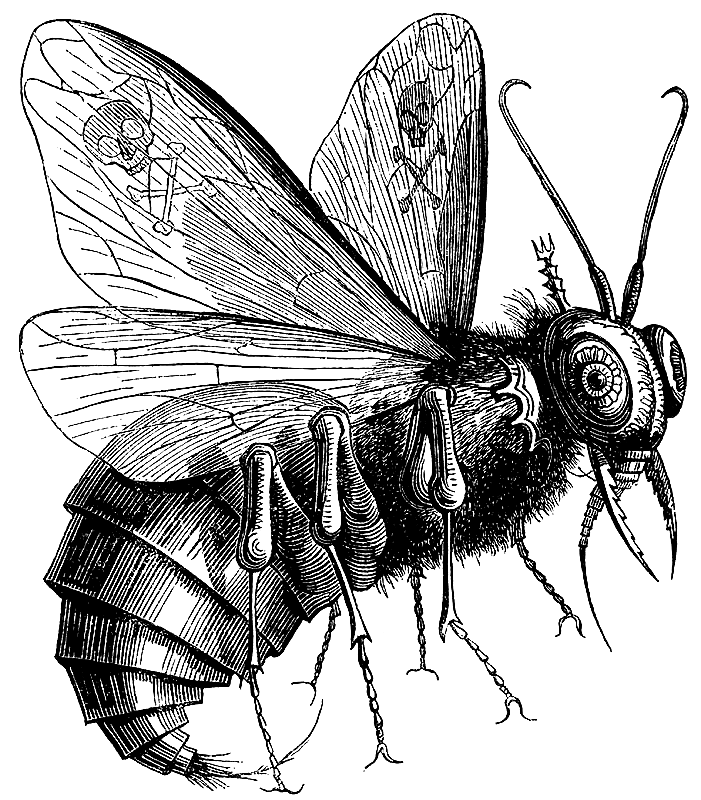
Asmodeus and Asmoday: an old name in changing texts
Asmodeus appears in the Book of Tobit, associated with Sarah’s misfortune. In Tobit 8, Raphael binds the spirit. Later ceremonial-magic texts describe Asmoday as a king with other characteristics. They are related names, but the texts are not identical accounts.
Paimon, Paymon and the kings of the Goetia
Paimon appears among the kings in the Ars Goetia and is associated there with learning and instruction. The archive used the spelling Paymon. Horror films made Paimon familiar to new audiences, but fictional portrayals should never be confused with evidence of real-world activity. For the original sigil, grimoire references and movie comparison, read Is the Demon Paimon Real in Hereditary?
Buer: the original artwork behind this page
The 2011 article’s featured image was a small illustration of Buer. In grimoires, Buer is a president said to know medicine and the virtues of plants. The striking wheel-shaped creature familiar to many readers comes from later visual interpretations. Rather than reuse the old archive image URL that no longer resolves reliably, this restoration uses historical demon artwork already hosted in LiveSciFi’s WordPress library.
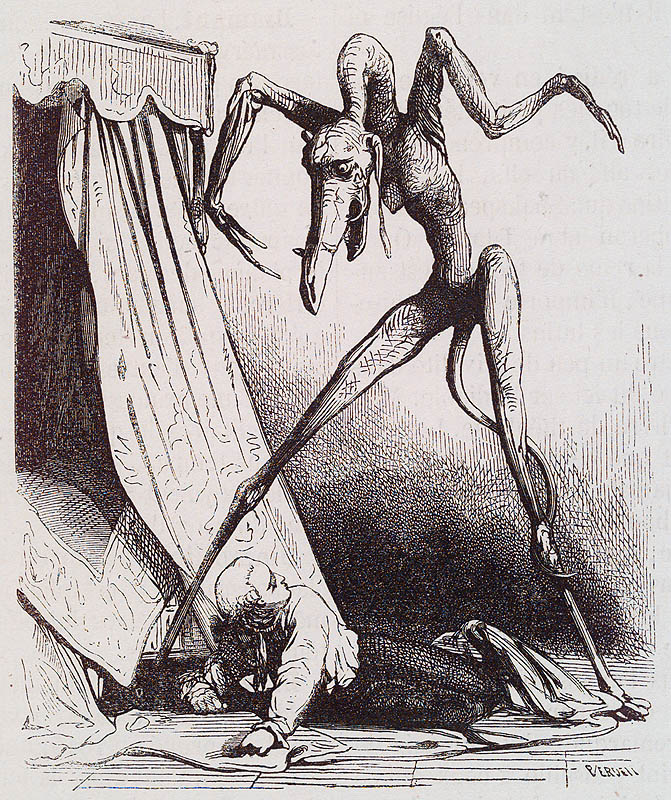
Lilith, Leviathan, Lucifer and Belial
Lilith belongs to a diverse history of night-spirit traditions, including late-antique and medieval Jewish folklore. Stories calling her Adam’s first wife come from later retellings, not a straightforward reading of Genesis. The Jewish Encyclopedia gives useful source context. Leviathan begins as a biblical sea-monster figure before later demonologists personify it. “Lucifer” is Latin for light-bearer, later linked with Satan by Christian interpreters. Belial originally has meanings connected with wickedness and only in some later writings becomes a personal adversary.
Valak and the difference between history and Hollywood
Names such as Valac or Volac occur in the Goetic material. The demonic nun from The Conjuring films is a modern fictional appearance, not a historical description. See our Valak and The Conjuring 2 investigation for that distinction.
ZoZo: what my investigations can—and cannot—tell us
ZoZo has appeared repeatedly in eyewitness reports and spirit-board stories shared with LiveSciFi. I’ve investigated claims involving that name, but a sequence of letters on a Ouija board does not establish who or what is communicating. Proposals that ZoZo is the Mesopotamian demon Pazuzu are speculative; I have not found reliable documentation demonstrating that identity. I cover the firsthand stories in Who or What Is ZoZo?, with more in our ZoZo warning-signs investigation and Ouija-board rules.
How I evaluate a demon name during an investigation
When someone tells me a haunted property is occupied by a named demon, my first question is simple: How did anyone arrive at that name? Did it come from a documented local tradition, an earlier book, a witness, a psychic, a device, a television show or an internet list? I look for original recordings and circumstances. I also consider ordinary explanations such as suggestion, mistaken perception, edited context and faulty audio interpretation.
The same approach applies to reports from the Sallie House. An unusual recording deserves scrutiny; a legend deserves historical context. Neither should be used to label a living person as possessed or diagnose a condition.
Watch The Demon Files Episode 2: Silver Queen Demon
Want to see one of our real on-location investigations? In LiveSciFi’s original Demon Files video catalog, Episode 2 is Silver Queen Demon, filmed at the historic Silver Queen Hotel in Virginia City, Nevada. Watch the episode and decide for yourself what the footage shows.
View the original LiveSciFi episode page · Watch directly on YouTube.
Episode-numbering distinction: Tubi’s separate 2026 six-episode Season 1 lists the Sallie House as S01:E02, not the Silver Queen. Browse our 2026 Demon Files episode guide or watch on Tubi in supported locations.
Frequently asked questions
What are the most famous demon names?
Names including Beelzebub, Asmodeus, Lilith, Belial, Lucifer, Astaroth and Paimon are especially well known. Their sources and roles differ considerably.
How many demon names are there?
No definitive total exists. One prominent grimoire, the Ars Goetia, lists 72 spirits. Our historical index preserves 88 entries, but its figures come from several unrelated sources.
Are all the demons in the Lesser Key of Solomon biblical?
No. The Lesser Key is a ceremonial-magic compilation; biblical, ancient mythological and later folklore names have separate histories.
Are Paimon and Paymon the same name?
They are spelling variants in the grimoire tradition. Many names have multiple spellings because of manuscript and translation differences.
Is ZoZo a historically documented ancient demon?
Not on the evidence available here. It is a prominent name in modern paranormal narratives, but claimed identifications with ancient figures require much stronger documentation.
Can an EVP or Ouija board confirm a demon’s identity?
No. Hearing or seeing a name is not a reliable method for verifying a supernatural identity. Context and alternative explanations matter.
Sources and further reading
- Joseph H. Peterson, Of the Arte Goetia — manuscript-based text and variant names.
- The Lesser Key of Solomon, Mathers–Crowley edition — a frequently cited 1904 printed version.
- Revelation 9:11 — Abaddon and Apollyon.
- Tobit 3 and Tobit 8 — Asmodeus and Raphael.
- Jewish Encyclopedia, Lilith — ancient and medieval traditions.
Continue your research with our historical demon classifications, Beelzebub investigation, and Demon Files video archive.
Viewer evidence discussion
Share a timestamp, screenshot and what you noticed. Use your existing LiveSciFi account to participate. Comments are moderated.
you do realize these are only part of them theirs a lot more where that came from trust me I astro projected into hell it wasn't pretty
You did not that's not possible
u forgot zozo