
When The Conjuring 2 arrived in theaters in June 2016, one of the questions I kept seeing was simple: Is Valak a real demon, or was the terrifying nun invented for the movie?
The answer depends on what we mean by “real.” The name Valak—also written Valac, Volac, or Valu—appears in historical books about demons and ceremonial magic. That is verifiable. What those texts do not establish is that a supernatural being exists, or that the nun depicted in the film matches the being described in those books.
I’ve spent years researching reported paranormal phenomena through LiveSciFi’s investigations and live ghost hunts. One thing I’ve learned is how important it is to separate an old historical source from a dramatic modern interpretation. In Valak’s case, the difference is striking.
Is the Demon Valak Real?
Valak is a real name in historical demonological literature. Accounts attributed to occult writers describe the spirit’s appearance, rank, supposed powers and even a seal or sigil. These are records of historical beliefs and magical traditions—not proof of an actual demon.
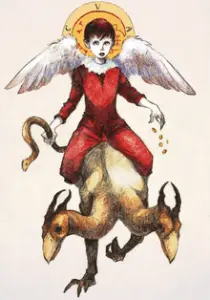
In the best-known written descriptions, Valac does not resemble a nun. He is described as a child with angelic wings riding a dragon with two heads. Rather than haunting a convent, the spirit is said to disclose the location of concealed treasures and serpents.
That ancient-looking imagery is one reason I’m interested in examining the original texts rather than relying on the movie’s frightening costume and storyline.
Valac in Johann Weyer’s Pseudomonarchia Daemonum
One of the clearest early printed references appears in Johann Weyer’s Pseudomonarchia Daemonum, a catalogue of supposed spirits circulated in the sixteenth century. Weyer identifies Volac or Valac as a “president” in the imagined infernal hierarchy. His entry describes a youthful, winged figure riding a two-headed dragon and attributes authority over 30 legions of spirits to him.
The text also connects Valac with hidden treasure and with finding serpents. Those details may sound bizarre today, but they are typical of the symbolic assignments found in Renaissance magical catalogues.
It’s worth remembering that Weyer was also critical of witch persecution and of the claims made by supposed magicians. Reading a grimoire entry as evidence that a demon actually manifested would go far beyond what the document can demonstrate.
For readers interested in the wider context, I explain how different authors organized alleged spirits in Historical Demon Classifications: 7 Systems Explained.
What Does the Ars Goetia Say About Valak?
Valac is also the 62nd spirit in the Ars Goetia, part of the manuscript tradition commonly called The Lesser Key of Solomon. The description is familiar: a boy with angel wings, a two-headed dragon, and supposed knowledge of treasure and snakes.
Different manuscript traditions and printed editions are not perfectly identical. Some famous versions give Valak authority over 30 legions; the Mathers–Crowley edition published in 1904 describes 38 legions. Rather than treating that difference as a supernatural mystery, I see it as an example of how texts changed as they were copied, translated, and edited.
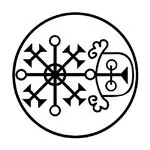
The sigil associated with Valak belongs to that occult textual tradition. Seeing a seal printed in a historical book confirms that the symbol was used in the tradition; it does not independently verify the being it is supposed to represent.
Want to compare those systems with later rankings that include names such as Beelzebub and Belial? Read Types of Demons: 9 Historical Classes Explained.
Valak in the Dictionnaire Infernal
Jacques Collin de Plancy’s Dictionnaire Infernal, especially the illustrated 1863 edition, helped bring images of supposed demons into popular circulation. Its references to Volac follow the same broad picture found in earlier European demonological writing: the winged child and the two-headed dragon.
Those images are important as historical artwork, not as portraits made from authenticated encounters. That distinction gets lost when the imagery is shared online without its source or date.
One thing I would not do is combine attributes from unrelated demon entries and present them as a single biography. When investigating any occult name, tracing a claim back to the correct text is more useful than repeating dramatic descriptions from websites.
Why Is Valak a Nun in The Conjuring 2?
The film uses the name Valak for a frightening demonic figure in a nun’s habit. But the nun’s appearance is a creative choice made for the film, not a description inherited from Weyer’s catalogue or the Goetia.
Director James Wan and the filmmakers reworked the antagonist’s visual design to emphasize an unsettling religious image and the threat to Lorraine Warren’s faith. The character’s cinematic appearance should therefore be understood separately from the older occult figure whose name it borrows.
When I first covered this topic in 2016, I questioned whether the nun’s appearance seemed closer to other demonic imagery—especially figures such as Beelzebub—than to the Valac of early texts. That remains a comparison of artistic styles, not evidence that the movie secretly depicts a different demon.
If you’re interested in the Warrens and the difference between their reported investigations and later dramatizations, visit Ed and Lorraine Warren: Top 5 Paranormal Cases.
Was Valak Part of the Real Enfield Haunting?
The Conjuring 2 combines elements inspired by reported incidents with fictional storytelling. The Enfield poltergeist case became widely known in Britain during the late 1970s, but the historical record of the case does not establish that an entity called Valak was responsible.
A viewer can enjoy the film without treating every supernatural element in it as a documented claim made by witnesses. The nun, the name, and the dramatic confrontation are part of a movie narrative that expands upon the reported events.
I’ve always believed paranormal investigation is strongest when we explain what comes from witness testimony, what appears on recordings, and what was added later for entertainment. That is true whether we’re discussing a horror movie or one of our own LiveSciFi livestreams.
How I Separate Demonology From Paranormal Evidence
In my own work, I’ve encountered plenty of claims about named demons, Ouija board communication, and supposed supernatural attacks. They can be disturbing experiences, but a name appearing in a book—or on a spirit board—doesn’t identify the cause of an event.
If something unusual happens during an investigation, I want to know what was recorded, what the witnesses observed, and which normal explanations were considered. Historical demonology can provide useful background about the stories people tell. It cannot substitute for evidence.
That’s also how I approach the question of whether a horror-film demon is based on a genuine occult tradition. For a related example, see my research on the fictional Bagul demon from Sinister.
Frequently Asked Questions About Valak
Is Valak an actual demon from an ancient book?
The name Valac or Volac appears in genuine historical occult works, including Weyer’s sixteenth-century catalogue and the later Ars Goetia. Those works document beliefs and literary traditions, not scientific evidence of a supernatural being.
What does Valak look like in the original texts?
The traditional description is a winged child riding a two-headed dragon. The nun form became famous through The Conjuring 2 and the films that followed.
How many legions does Valak command?
Weyer’s entry and some Goetia manuscripts specify 30; certain well-known printed editions say 38. The number depends on the text being cited.
The Difference Between the Real History of Valak and the Movie
My conclusion hasn’t changed on the central point: Valak has a documented history as a name in demonological writing, but that is not the same as proof that the demon in The Conjuring 2 is real.
The most interesting part of this story isn’t whether Hollywood created a terrifying nun. It’s how a little-known name from old magical books became one of the most recognizable figures in modern horror.
For more research into how people have described and classified alleged spirits across history, explore LiveSciFi’s Demons and the Occult collection.
Historical Sources and Further Reading
- Johann Weyer, Pseudomonarchia Daemonum — historical text and editorial apparatus; consult the Volac entry.
- Lemegeton, Part I: Ars Goetia — 62nd spirit, Valac.
- Jacques Collin de Plancy, Dictionnaire Infernal, illustrated sixth edition (1863).
- Den of Geek: The Conjuring 2 and the historical Valak — contextual discussion of the film’s adaptation.
Join the Conversation
Have you experienced something unexplained? Share your thoughts and experiences with the LiveSciFi community.